 Plot & Petal
Field ManualAll plants
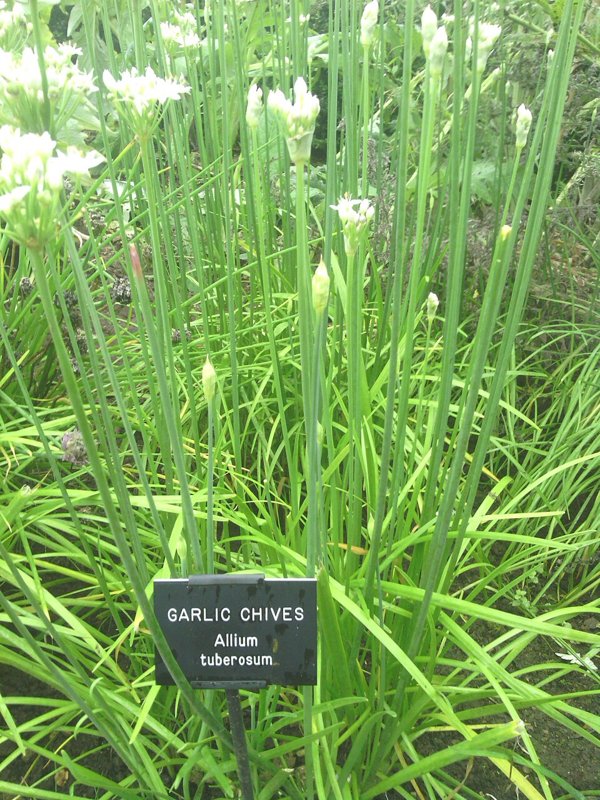
Garlic chives
Allium tuberosum
Family: Amaryllidaceae
Pet & Human Safety
People: Toxic to people (low severity)Pets: Toxic to pets
Carried from sibling Allium pages, not a page for Allium tuberosum: ASPCA lists chives (Allium schoenoprasum) and garlic (Allium sativum) as toxic to dogs, cats and horses (N-propyl disulfide; vomiting, breakdown of red blood cells, blood in urine, weakness, high heart rate, panting). ASPCA /chives is not garlic chives. ASPCA has no garlic-chives entry. Treat garlic chives as toxic to pets.
Poison control
If someone has collapsed, cannot be woken, is having a seizure or has trouble breathing, call 911 now. For any other possible poisoning, call Poison Help: 1-800-222-1222.
Emergency number source: U.S. federal law (47 U.S.C. § 251(e)(3)), read 2026-10-07.
Naturalist Lore
Historical Background & Breeding Lore
The history of this plant and its name, and how it was bred, where we have them.
Get the app: coming soonCare
- Hardiness zones
USDA 3a to 9b (NC State record lists zones 3a through 9b).
- Water needs
Soil drainage "good" and "moist"; "Bulb rot can occur in too wet soils" (NC State)
- Mature size
Height: NC State lists "0 ft. 6 in. - 0 ft. 4 in." (the two figures look reversed; read as roughly 4 to 6 inches of leaf height as printed) with leaves described as up to 12 inches long and flower stems 6 to 15 inches; width 1 ft. Spacing: NC State: available space to plant "less than 12 inches". TAMU (Texas): space plants 5 inches apart.
How to prepare the soil, when and what to feed, and how and when to prune where that applies.
Get the app: coming soonAnatomy & Guilds
Botanical Anatomy & Characteristics
How the flowers and leaves are built and which pollinators visit, where we have them.
Get the app: coming soonField Doctor
Field Doctor
What can go wrong with this plant and what to do about it, where we have them.
Get the app: coming soonVintage Plates
Vintage Plates
Old botanical drawings from public libraries are in the app, for plants where we have them.
Get the app: coming soonSources
- Kew World Checklist of Vascular Plants (WCVP) name file, dated 2026-06-04
- NC State Extension Gardener Plant Toolbox: Allium tuberosum
- Texas A&M AgriLife: Growing herbs in Texas (E-561, 4/09), herb table
- ASPCA Toxic and Non-toxic Plants: Chives (Allium schoenoprasum)
- ASPCA Toxic and Non-toxic Plants: Garlic (Allium sativum)
- ASPCA page name /garlic-chives (checked: returned only the generic list page, no entry)
- ASPCA Toxic and Non-toxic Plants: Chives, Garlic, Leek, Onion (Checked October 2026)