
 Plot & Petal
Field ManualAll plants
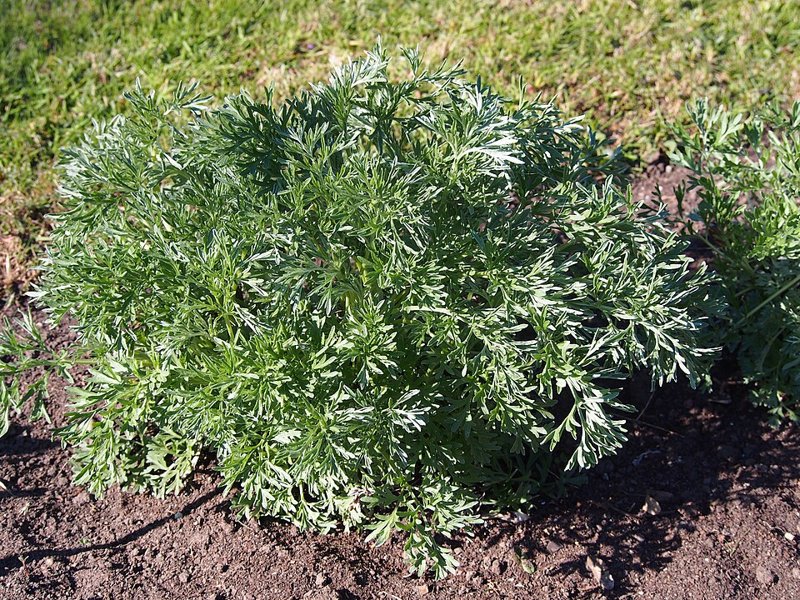
French tarragon
Artemisia dracunculus L.
- Herb
- Perennial
Pet & Human Safety
People: Toxic to people (low severity)Pets: Toxic to pets
Dogs: toxic. Cats: toxic. Horses: toxic. ASPCA names essential oils as the toxic principle and mild vomiting and diarrhea as signs. NC State says it is poisonous to dogs, cats and horses if eaten in sufficient quantity, listing signs from vomiting, drooling and diarrhea up to incoordination, dilated pupils, low blood pressure and coma, and rates the plant's human toxicity as low. The two sources agree on the verdict but differ in how serious they make it sound (ASPCA: mild signs; NC State: severe signs possible).
Poison control
If someone has collapsed, cannot be woken, is having a seizure or has trouble breathing, call 911 now. For any other possible poisoning, call Poison Help: 1-800-222-1222.
Emergency number source: U.S. federal law (47 U.S.C. § 251(e)(3)), read 2026-10-07.
Naturalist Lore
Historical Background & Breeding Lore
The history of this plant and its name, and how it was bred, where we have them.
Get the app: coming soonCare
- Hardiness zones
USDA hardiness zones 3a to 8b (NC State, US system). This range does not reach Florida zones 9b/10a; suitability there is not confirmed.
- Water needs
low
- Mature size
1-3 ft tall, 1-1.5 ft wide (NC State). Texas A&M E-561 (Texas) says about 24 in tall for French tarragon.
- Family
Asteraceae (sunflower family)
How to prepare the soil, when and what to feed, and how and when to prune where that applies.
Get the app: coming soonAnatomy & Guilds
Botanical Anatomy & Characteristics
How the flowers and leaves are built and which pollinators visit, where we have them.
Get the app: coming soonField Doctor
Field Doctor
What can go wrong with this plant and what to do about it, where we have them.
Get the app: coming soonVintage Plates
Vintage Plates
Old botanical drawings from public libraries are in the app, for plants where we have them.
Get the app: coming soonSources
- NC State Extension Gardener Plant Toolbox, Artemisia dracunculus
- ASPCA, Toxic and Non-toxic Plants: Tarragon
- Texas A&M AgriLife Extension, Growing Herbs in Texas (E-561, Masabni 2009)
- University of Illinois Extension, Growing Culinary Herbs handout (C. Hart)
- RHS, Herbs: how to grow
- Kew World Checklist of Vascular Plants (WCVP), names file dated 2026-06-04