 Plot & Petal
Field ManualAll plants
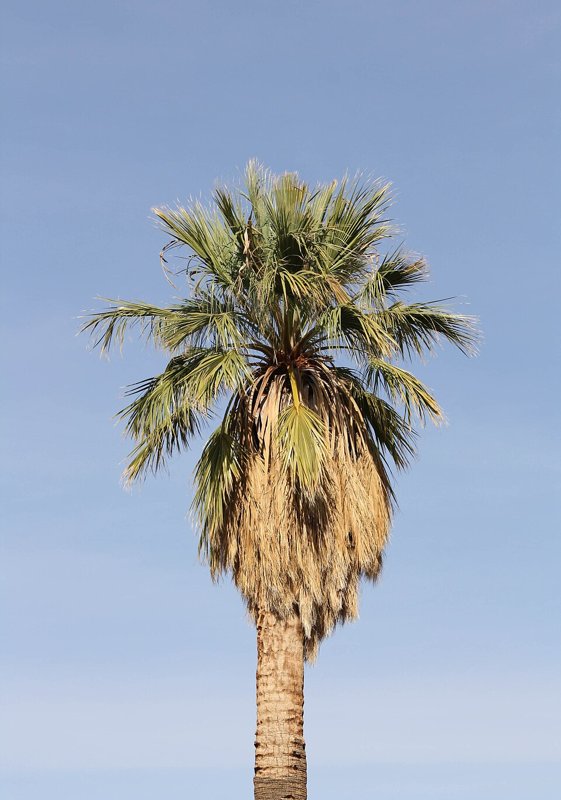
California Fan Palm
Washingtonia filifera
- Cold Hardy
- Desert Native
- Long-Lived
- Persistent Dead-Frond Skirt
Pet & Human Safety
People: Not researchedPets: Not on the ASPCA lists as we read them
Genuinely unassessed by ASPCA, not cleared. For context, ASPCA generally (not universally; see Fishtail Palm) rates true palms non-toxic, though that pattern isn't extended here as a substitute for a species-specific verdict.
PlotAndPetal cannot tell you whether a plant you found can be eaten. Only someone who can see the plant can identify it.
Poison control
If someone has collapsed, cannot be woken, is having a seizure or has trouble breathing, call 911 now. For any other possible poisoning, call Poison Help: 1-800-222-1222.
Emergency number source: U.S. federal law (47 U.S.C. § 251(e)(3)), read 2026-10-07.
Naturalist Lore
Historical Background & Breeding Lore
The history of this plant and its name, and how it was bred, where we have them.
Get the app: coming soonCare
- Hardiness zones
UF/IFAS ST669 lists USDA zones 9A through 11, and Oregon State lists zone 9. The USDA Forest Service says the species can withstand about 22 hours of subfreezing temperature. UF/IFAS Gardening Solutions says it is more cold hardy than Mexican fan palm but prefers a drier climate than Florida's. No source used gives a specific low-temperature damage threshold in degrees.
- Mature size
UF/IFAS ST669 gives 40 to 60 feet tall with a 10 to 15 foot spread, and says it can reach 80 feet. The USDA Forest Service gives 30 to 50 feet tall and a trunk 1 to 2 feet across, and the USDA NRCS gives up to 20 m (about 65 feet). The sources differ, so expect variation with site and age. UF/IFAS Gardening Solutions says the genus can reach 100 feet or more, but that figure is given for Mexican Fan Palm.
- Family
Arecaceae (true palm family)
- Where it comes from
A desert palm of the southwestern United States. The USDA Natural Resources Conservation Service describes groves below about 1,200 m at alkaline seeps, springs and streams on the west and north edge of the Colorado Desert and nearby desert ranges, with populations in Arizona and northern Baja California. The USDA Forest Service adds populations in Nevada. Oregon State University gives southern California, Arizona and northwest Mexico. One UF/IFAS fact sheet (ST669) says the palm is not native to North America, which conflicts with these USDA and university sources, so that statement is not used here.
How to prepare the soil, when and what to feed, and how and when to prune where that applies.
Get the app: coming soonAnatomy & Guilds
Botanical Anatomy & Characteristics
How the flowers and leaves are built and which pollinators visit, where we have them.
Get the app: coming soonField Doctor
Field Doctor
What can go wrong with this plant and what to do about it, where we have them.
Get the app: coming soonVintage Plates
Vintage Plates
Old botanical drawings from public libraries are in the app, for plants where we have them.
Get the app: coming soonSources
- UF/IFAS Gardening Solutions, Washington Palm (primarily covers Washingtonia robusta; briefly compares to W. filifera)
- UF/IFAS ST669, Washingtonia filifera: Desert Palm
- USDA NRCS Plant Guide, Fan Palm (Washingtonia filifera)
- USDA Forest Service Fire Effects Information System, Washingtonia filifera (California palm)
- Oregon State University Landscape Plants, Washingtonia filifera
- UF/IFAS EP009, Ornamental Palms for South Florida
- UF/IFAS EDIS ST669, Washingtonia filifera: Desert Palm