
 Plot & Petal
Field ManualAll plants
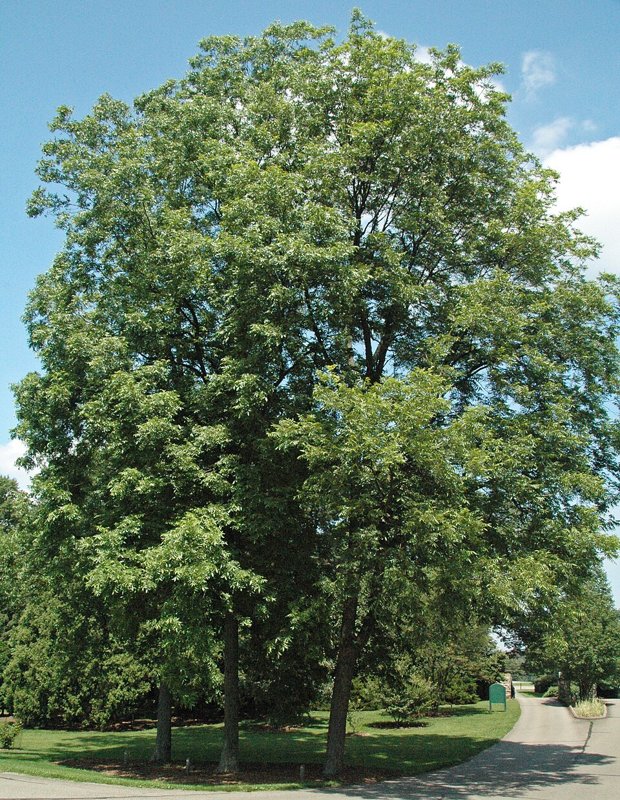
Pecan
Carya illinoinensis (Wangenh.) K.Koch
Pet & Human Safety
People: No hazard foundPets: Not on the ASPCA lists as we read them
Dogs (and other animals that eat moldy nuts): the ASPCA APCC veterinary article lists moldy walnuts or peanuts as sources of tremorgenic mycotoxins (penitrem A and roquefortine C are named). These mold toxins cause tremors, seizures and vomiting in dogs. The article does not name pecans. Pet Poison Helpline says only that mold can grow on 'nuts' in general, and lists tremorgenic mycotoxins and aflatoxin among mold toxins. So a moldy-pecan caution is an inference from a relative only (moldy walnuts, same family). It is not a pecan-specific finding. For pecan itself, the NC State page has no pet-toxicity tag and UF/IFAS makes no toxicity statement. That is not a clearance. Cats and horses: nothing read.
Poison control
If someone has collapsed, cannot be woken, is having a seizure or has trouble breathing, call 911 now. For any other possible poisoning, call Poison Help: 1-800-222-1222.
Emergency number source: U.S. federal law (47 U.S.C. § 251(e)(3)), read 2026-10-07.
Naturalist Lore
Historical Background & Breeding Lore
The history of this plant and its name, and how it was bred, where we have them.
Get the app: coming soonCare
- Hardiness zones
USDA hardiness zones 5b-9a per UF/IFAS (Florida source, listed first); NC State lists USDA 5a-9b. UF/IFAS adds that it can grow further south but nut production tends to be lower.
- Water needs
moderate
- Mature size
70-100 ft tall and 40-75 ft wide at maturity; can reach 130 ft.
- Family
Juglandaceae (walnut family)
- Where it comes from
Central and east central United States into Mexico (NC State); south-central United States and northeastern and central Mexico (UF/IFAS).
How to prepare the soil, when and what to feed, and how and when to prune where that applies.
Get the app: coming soonAnatomy & Guilds
Botanical Anatomy & Characteristics
How the flowers and leaves are built and which pollinators visit, where we have them.
Get the app: coming soonField Doctor
Field Doctor
What can go wrong with this plant and what to do about it, where we have them.
Get the app: coming soonVintage Plates
Vintage Plates
Old botanical drawings from public libraries are in the app, for plants where we have them.
Get the app: coming soonSources
- NC State Extension Gardener Plant Toolbox, Carya illinoinensis
- UF/IFAS EDIS ENH281/ST122, Carya illinoensis: Pecan (Gilman et al.)
- UF/IFAS Gardening Solutions, Pecan
- ASPCA Animal Poison Control, Tremorgenic mycotoxin intoxication (M. Schell, Veterinary Medicine, April 2000)
- Pet Poison Helpline, The Dangers of Mycotoxins in Dogs (A. Benzow)
- ASPCA dog plant list index (truncated page, about 344 entries)
- Kew World Checklist of Vascular Plants (WCVP), names file dated 2026-06-04