
 Plot & Petal
Field ManualAll plants
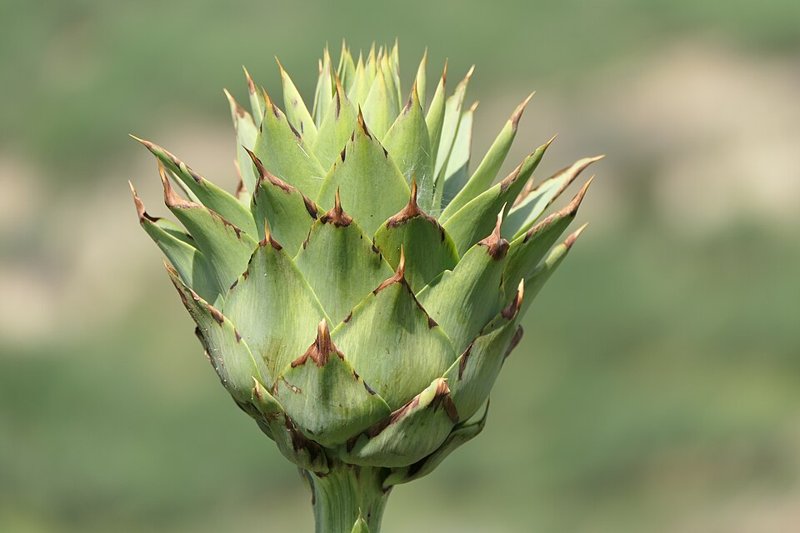
Globe Artichoke
Cynara cardunculus
Family: Asteraceae
- Perennial in Warm Zones
- Large Architectural Plant
Pet & Human Safety
People: Toxic to people (low severity)Pets: Not on the ASPCA lists as we read them
Not on the ASPCA cat or dog plant lists, and NC State Extension's own toxicity note for this species is about human skin contact (cynaropicrin causing dermatitis), not ingestion toxicity to pets. Treat plant handling with the same care noted for people; no pet ingestion hazard is documented in the sources checked.
Poison control
If someone has collapsed, cannot be woken, is having a seizure or has trouble breathing, call 911 now. For any other possible poisoning, call Poison Help: 1-800-222-1222.
Emergency number source: U.S. federal law (47 U.S.C. § 251(e)(3)), read 2026-10-07.
Naturalist Lore
Historical Background & Breeding Lore
The history of this plant and its name, and how it was bred, where we have them.
Get the app: coming soonCare
- Hardiness zones
9a to 10b as a perennial (NC State Extension): used here; grown as an annual for fall harvest farther north. Sources disagree: Missouri Botanical Garden gives a broader range, USDA Zones 7-9 (culture text) to 7-10 (header).
- Water needs
moderate
- Mature size
3-6 ft of space needed per plant; foliage clumps large and bold in the landscape.
- Where it comes from
North Africa and Western Europe, widely cultivated around the Mediterranean
How to prepare the soil, when and what to feed, and how and when to prune where that applies.
Get the app: coming soonAnatomy & Guilds
Botanical Anatomy & Characteristics
How the flowers and leaves are built and which pollinators visit, where we have them.
Get the app: coming soonField Doctor
Field Doctor
What can go wrong with this plant and what to do about it, where we have them.
Get the app: coming soonVintage Plates
Vintage Plates
Old botanical drawings from public libraries are in the app, for plants where we have them.
Get the app: coming soon