
 Plot & Petal
Field ManualAll plants
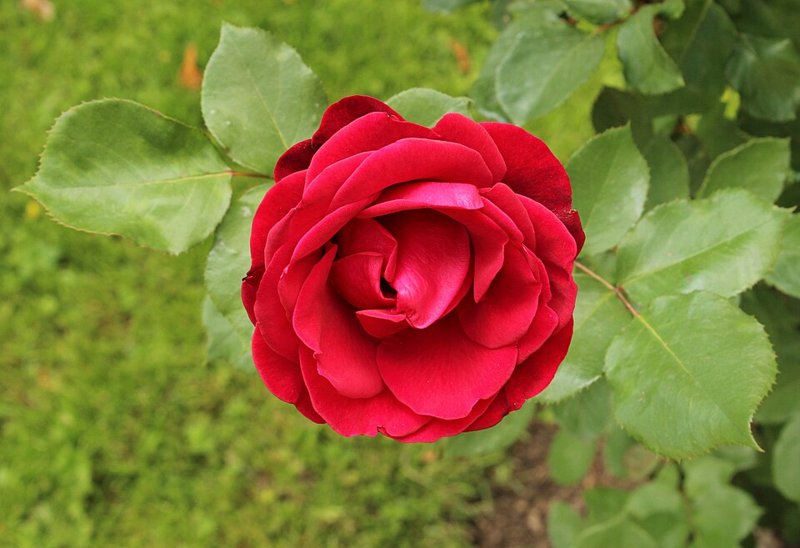
Don Juan
Rosa 'Don Juan'
Family: RosaceaeZones: 5a - 10b
- Heirloom Fragrance
- Climber / Trellis
- Repeat Bloomer
Pet & Human Safety
People: Not researchedPets: Not on the ASPCA lists as we read them
People: not researched yet.
Non-toxic to dogs, cats, and horses per ASPCA. Thorns are a mechanical hazard, not a toxicity risk.
PlotAndPetal cannot tell you whether a plant you found can be eaten. Only someone who can see the plant can identify it.
Poison control
If someone has collapsed, cannot be woken, is having a seizure or has trouble breathing, call 911 now. For any other possible poisoning, call Poison Help: 1-800-222-1222.
Emergency number source: U.S. federal law (47 U.S.C. § 251(e)(3)), read 2026-10-07.
Naturalist Lore
Historical Background & Breeding Lore
The history of this plant and its name, and how it was bred, where we have them.
Get the app: coming soonCare
- Hardiness zones
5a - 10b
- Mature size
Height: 10-14 ft canes. Spread: 5-6 ft lateral fan.
- Where it comes from
Bred in Italy, 1958 (Michele Malandrone): a cultivar, not a wild species with a native range
How to prepare the soil, when and what to feed, and how and when to prune where that applies.
Get the app: coming soonAnatomy & Guilds
Botanical Anatomy & Characteristics
How the flowers and leaves are built and which pollinators visit, where we have them.
Get the app: coming soonField Doctor
Field Doctor
What can go wrong with this plant and what to do about it, where we have them.
Get the app: coming soonVintage Plates
Vintage Plates
Old botanical drawings from public libraries are in the app, for plants where we have them.
Get the app: coming soonSources
- Clemson HGIC, Growing Roses (soil/mulch guidance)
- UF/IFAS Gardening Solutions, Roses (fertilizing schedule)
- University of Minnesota Extension, soil-nutrient home remedies incl. Epsom salt (only add magnesium if a soil test shows deficiency)
- National Pesticide Information Center, Spinosad General Fact Sheet (bee-safety timing)
- ASPCA, Toxic and Non-Toxic Plants: Rose (whole-genus entry, Rosa Species; confirmed live 2026-09-28)
- UF/IFAS EDIS PP268, Black Spot of Rose (Mangandi and Peres; read 2026-10-05)
- Clemson HGIC, Rose Diseases (read 2026-10-05)
- UF/IFAS EDIS IN197 (ENY-350), Natural Products for Managing Landscape and Garden Pests in Florida (Borden, Buss, Park Brown and Dale; revised 2024-11-13; read 2026-10-05)
- UC Statewide IPM Program, Spider Mites (Godfrey, UC Davis; updated 2011; read 2026-10-05)