
 Plot & Petal
Field ManualAll plants
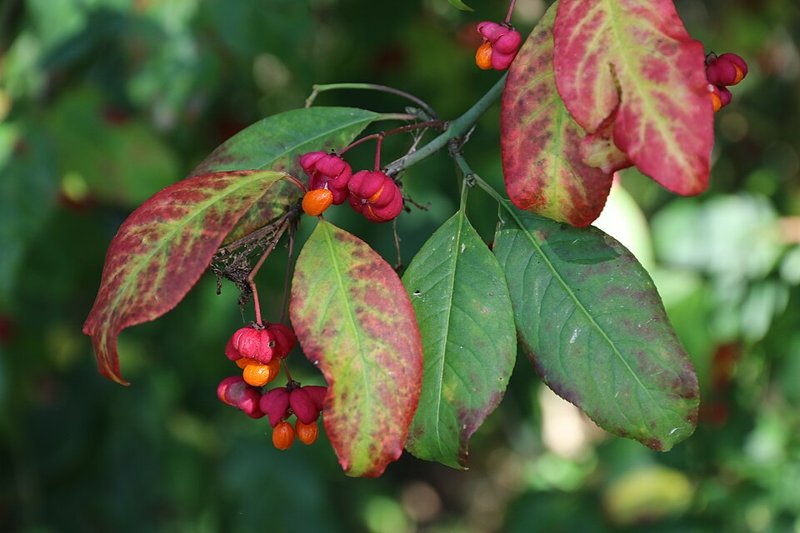
Burning bush
Euonymus alatus
Family: CelastraceaeZones: 4a to 8b per NC State Plant Toolbox
Pet & Human Safety
People: Toxic to people (low severity)Pets: Toxic to pets
ASPCA's 'Burning Bush' page is Euonymus atropurpurea, toxic to dogs, cats and horses (alkaloids and cardenolides; vomiting, diarrhea, abdominal pain, weakness, heart rhythm abnormalities with large doses). That is a different species from Euonymus alatus, and ASPCA has no entry for E. alatus itself. NC State rates E. alatus low severity poison to humans (all parts; toxic only if large quantities are eaten). It is the same genus, so treat it as a possible pet hazard; no listing does not mean safe.
PlotAndPetal cannot tell you whether a plant you found can be eaten. Only someone who can see the plant can identify it.
Poison control
If someone has collapsed, cannot be woken, is having a seizure or has trouble breathing, call 911 now. For any other possible poisoning, call Poison Help: 1-800-222-1222.
Emergency number source: U.S. federal law (47 U.S.C. § 251(e)(3)), read 2026-10-07.
Naturalist Lore
Historical Background & Breeding Lore
The history of this plant and its name, and how it was bred, where we have them.
Get the app: coming soonCare
- Hardiness zones
USDA 4a to 8b per NC State Plant Toolbox
- Water needs
low
- Mature size
NC State: 15 to 20 ft tall and 15 to 20 ft wide (medium growth rate, high maintenance). UNH: up to 20 ft wide and 20 ft high. Iowa State hedge table: 6 to 15 ft natural or sheared.
- Where it comes from
NC State: South Siberia to East Asia, Japan and China. Distribution in the US: throughout the eastern and central United States (introduced). UNH and Iowa State agree it is Asian in origin.
How to prepare the soil, when and what to feed, and how and when to prune where that applies.
Get the app: coming soonAnatomy & Guilds
Botanical Anatomy & Characteristics
How the flowers and leaves are built and which pollinators visit, where we have them.
Get the app: coming soonField Doctor
Field Doctor
What can go wrong with this plant and what to do about it, where we have them.
Get the app: coming soonVintage Plates
Vintage Plates
Old botanical drawings from public libraries are in the app, for plants where we have them.
Get the app: coming soonSources
- NC State Extension Gardener Plant Toolbox - Euonymus alatus
- UNH Extension - Alternatives to Invasive Landscape Plants fact sheet
- Iowa State Extension Yard and Garden - Selecting and Planting Hedges
- Cornell CALS IPM - Invasive Ornamental Plant Alternatives
- ASPCA Toxic and Non-Toxic Plants list, all 69 index pages (items 1-1024)
- ASPCA Toxic and Non-Toxic Plant List - Dogs
- ASPCA - Burning Bush species page (Euonymus atropurpurea)