
 Plot & Petal
Field ManualAll plants
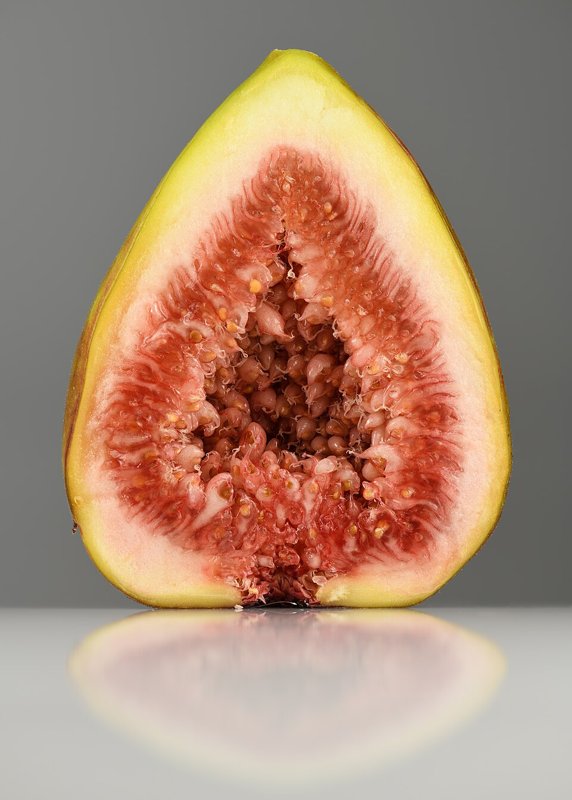
Fig
Ficus carica
- Tree/Large Shrub
- Very Low Chill
- Minimal Pruning Needed
Pet & Human Safety
Hazard to people and pets
Do not confuse edible fig (Ficus carica) with ornamental Ficus houseplants like Weeping Fig (which ASPCA's 'Fig' page is actually about) or Indian Rubber Plant (the same ASPCA entry, not a separate one) -- those are different species from the edible fig this guide covers. ASPCA's documented ingestion/GI-irritation risk is for that related ornamental, Ficus benjamina, a same-genus relative, not this species directly. Separately, NC State confirms a sap-contact phototoxic skin reaction specific to edible fig, Ficus carica: furanocoumarins in the white milky sap, which cause phytophotodermatitis only with both sap contact AND sun/UV exposure. The ripe edible fruit itself is a normal food crop; the hazard is centered on the plant's sap.
Poison control
If someone has collapsed, cannot be woken, is having a seizure or has trouble breathing, call 911 now. For any other possible poisoning, call Poison Help: 1-800-222-1222.
Emergency number source: U.S. federal law (47 U.S.C. § 251(e)(3)), read 2026-10-07.
Naturalist Lore
Historical Background & Breeding Lore
The history of this plant and its name, and how it was bred, where we have them.
Get the app: coming soonCare
- Hardiness zones
Fully dormant trees survive 15-20F; 'Brown Turkey' and 'Celeste' are noted as more cold-tolerant cultivars (UF/IFAS MG214).
- Mature size
Can reach 50 ft, but Southeast US specimens typically stay under 25 ft due to periodic cold dieback; orchard spacing 10-16 ft between plants, 13-20 ft between rows (UF/IFAS MG214).
- Family
Moraceae (mulberry/fig family)
- Where it comes from
Western Asia/Mediterranean; grown widely across the Southeast US, including Florida, as a low-chill fruiting tree.
How to prepare the soil, when and what to feed, and how and when to prune where that applies.
Get the app: coming soonAnatomy & Guilds
Botanical Anatomy & Characteristics
How the flowers and leaves are built and which pollinators visit, where we have them.
Get the app: coming soonField Doctor
Field Doctor
What can go wrong with this plant and what to do about it, where we have them.
Get the app: coming soonVintage Plates
Vintage Plates
Old botanical drawings from public libraries are in the app, for plants where we have them.
Get the app: coming soon