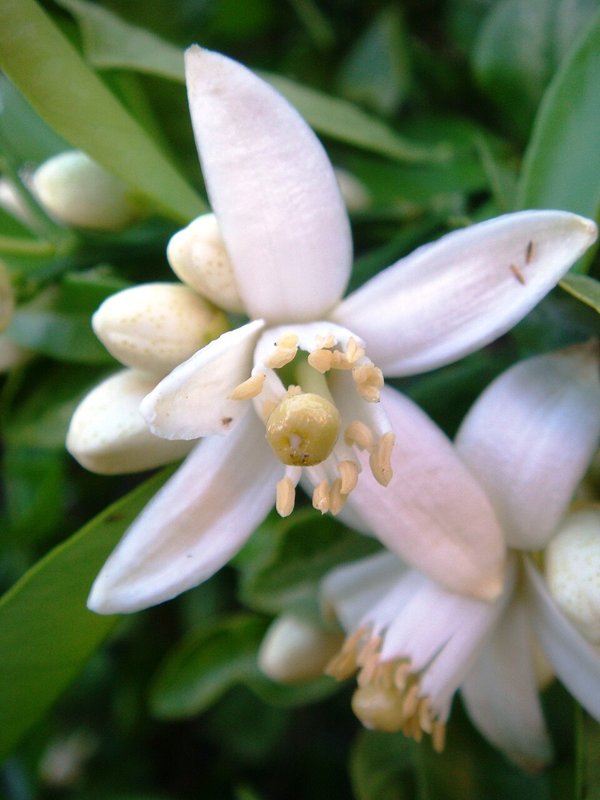

Field ManualAll plants

Photo: Miwasatoshi, via Wikimedia CommonsLicense: CC BY-SA 4.0

Grapefruit

Citrus x paradisi

Family: RutaceaeZones: 9a to 11b

  • citrus

Pet & Human Safety

People: Toxic to people (low severity)Pets: Toxic to pets
Special populations
People taking certain medicines. FDA lists as examples some statins, blood pressure drugs, organ-transplant rejection drugs, anti-anxiety drugs, corticosteroids, heart rhythm drugs and antihistamines (fexofenadine). FDA advice: ask your doctor or pharmacist and read the medication guide. FDA also says Seville oranges, pomelos and tangelos might have the same effect.
Human edibility
Edible
Edible parts
fruit (fresh, juiced, jams, jellies, baking)
Hazardous parts
fruit or juice when taken with certain medicines (drug interaction, FDA), juice on skin followed by sun exposure, thorns on twigs (injury)
Preparation
none stated in the sources used
Hazard type
food and drug interaction (FDA), furocoumarins plus ultraviolet light (phytophotodermatitis; poison.org names grapefruit), contact dermatitis in some people (NC State), thorns (mechanical)
Hazard route
ingestion or skin contact
How complete this information is
The safety information on this page is partial. Where a source covers a point, it is shown; where none does, the page says so.

Toxic to pets
Toxic to pets

ASPCA: Toxic to Dogs, Toxic to Cats, Toxic to Horses. Toxic Principles: Essential oils and psoralens (same class as sweet orange and other citrus). Per ASPCA's own grapefruit page (confirmed live 2026-09-29), clinical signs are vomiting, diarrhea, and depression, with potential dermatitis; the fruit itself is edible, but the skin and other plant material can cause problems.

Moving citrus plants
Citrus greening (Huanglongbing, HLB) is a bacterial disease with no cure: infected trees are usually destroyed once unproductive (UF/IFAS Gardening Solutions). It is established in Florida, Georgia, Puerto Rico, the US Virgin Islands, and parts of Alabama, California, Louisiana, South Carolina, and Texas (USDA APHIS). Federal and state rules restrict moving citrus plants, plant parts, or homegrown fruit out of quarantined areas; USDA APHIS advises against mailing or transporting home-grown citrus fruit or plants out of a quarantined area. A USDA APHIS blog post (Aug 25, 2014) put the penalty for knowingly buying citrus trees in violation of quarantine rules at $1,100 to $60,000 per violation: a federal figure, stated per violation, from a 2014 post (12 years old as of this writing), not a blanket "Florida penalty" figure and not verified current. Florida law (Statute Sec. 581.1843) requires citrus nursery stock be produced in an approved protective structure; UF/IFAS Extension advises buying only disease-free certified trees grown under the Florida Budwood Certification Program's rules. California has its own HLB quarantine zones with similar movement restrictions. Bottom line for a home grower: buy only from a certified/reputable nursery, and don't move a citrus tree, its parts, or homegrown fruit across a quarantine boundary: check current boundaries with your state's department of agriculture before moving anything, since exact zones change over time and were unconfirmed for real-time accuracy.

Poison control

If someone has collapsed, cannot be woken, is having a seizure or has trouble breathing, call 911 now. For any other possible poisoning, call Poison Help: 1-800-222-1222.

Emergency number source: U.S. federal law (47 U.S.C. § 251(e)(3)), read 2026-10-07.

Naturalist Lore

Historical Background & Breeding Lore

The history of this plant and its name, and how it was bred, where we have them.

Get the app: coming soon

Care

Hardiness zones

USDA zones 9a to 11b

Water needs

moderate

Mature size

No grapefruit-specific mature-size figure found; UF/IFAS's general dooryard-citrus source (HS132) doesn't give one. Grapefruit trees are generally similar in scale to sweet orange (a large tree with proper care).

Where it comes from

Cultivated origin in Asia (genus Citrus/Fortunella); not restated per-species here since no source gave a specific wild native-range claim beyond general citrus history.

Soil & Drainage
Pruning & Flush Rhythm
Feeding Schedule

How to prepare the soil, when and what to feed, and how and when to prune where that applies.

Get the app: coming soon

Anatomy & Guilds

Botanical Anatomy & Characteristics

How the flowers and leaves are built and which pollinators visit, where we have them.

Get the app: coming soon

Field Doctor

Field Doctor

What can go wrong with this plant and what to do about it, where we have them.

Get the app: coming soon

Vintage Plates

Vintage Plates

Old botanical drawings from public libraries are in the app, for plants where we have them.

Get the app: coming soon

Sources

  1. UF/IFAS EDIS HS132, Dooryard Citrus Production
  2. ASPCA, Toxic and Non-toxic Plants: Grapefruit
  3. USDA APHIS, Citrus Greening and Asian Citrus Psyllid
  4. USDA, "Citrus Trees: Move It and Lose It" (2014)
  5. UF/IFAS Gardening Solutions, Citrus Greening FAQ
  6. Florida Statute Sec. 581.1843
  7. NC State Extension Gardener Plant Toolbox - Citrus x paradisi
  8. US FDA Consumer Update - Grapefruit Juice and Some Drugs Don't Mix (content current as of 07/01/2021)
  9. National Capital Poison Center (poison.org) - Lime juice and sun can cause skin rashes
  10. ASPCA Toxic and Non-toxic Plants: Grapefruit (Citrus paradisii)
  11. Kew World Checklist of Vascular Plants (WCVP), names file dated 2026-06-04

How we choose sources

Wishlists live in the app

Wishlists are part of the Plot & Petal app, which is coming soon. Nothing is added to a wishlist from this page.

Get the app: coming soon