
 Plot & Petal
Field ManualAll plants
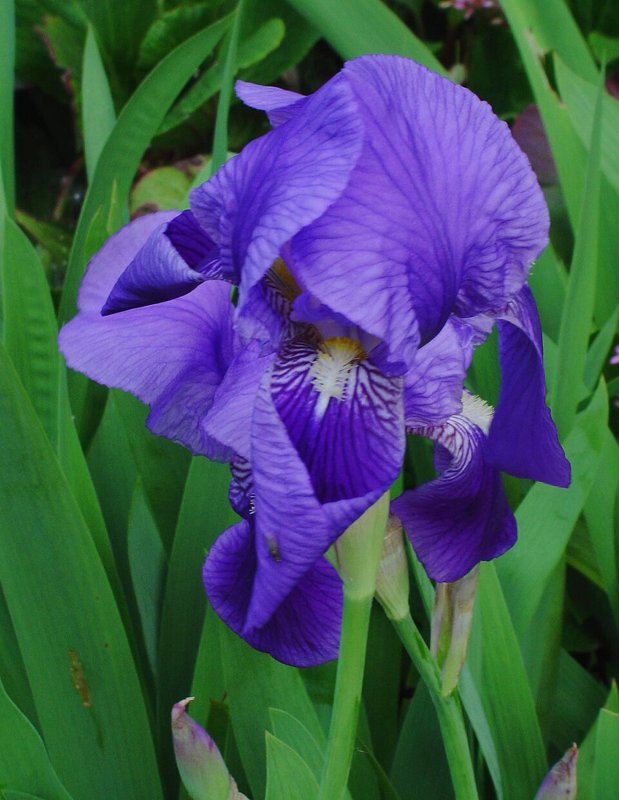
Iris
Iris spp.
- Perennial Rhizome
- Deer Resistant
Pet & Human Safety
People: Toxic to people (low severity)Pets: Toxic to pets
ASPCA's page is for the whole genus (Iris species) and names pentacyclic terpenoids as toxic principles, highest in the rhizomes. Signs listed: salivation, drooling, vomiting, lethargy and diarrhea. Keep pets from digging or chewing rhizomes and call a vet or the ASPCA Poison Control line if one has.
PlotAndPetal cannot tell you whether a plant you found can be eaten. Only someone who can see the plant can identify it.
Poison control
If someone has collapsed, cannot be woken, is having a seizure or has trouble breathing, call 911 now. For any other possible poisoning, call Poison Help: 1-800-222-1222.
Emergency number source: U.S. federal law (47 U.S.C. § 251(e)(3)), read 2026-10-07.
Naturalist Lore
Historical Background & Breeding Lore
The history of this plant and its name, and how it was bred, where we have them.
Get the app: coming soonCare
- Hardiness zones
Siberian iris: USDA zones 3a-8b (NC State); in zones 8b and warmer, warm winters may hinder blooming.
- Light
full sun is best for both; Siberian iris also takes part shade (shade can make it lay over and bloom less) and in the Southeast wants protection from hot afternoon sun
- Water needs
moderate
- Mature size
Bearded iris: 1-4 ft tall (flower stems rise up to 3 ft above the leaves), 1-2 ft wide. Siberian iris: 2-4 ft tall, 2.5-3 ft wide (NC State).
- Family
Iridaceae (iris family)
How to prepare the soil, when and what to feed, and how and when to prune where that applies.
Get the app: coming soonAnatomy & Guilds
Botanical Anatomy & Characteristics
How the flowers and leaves are built and which pollinators visit, where we have them.
Get the app: coming soonField Doctor
Field Doctor
What can go wrong with this plant and what to do about it, where we have them.
Get the app: coming soonVintage Plates
Vintage Plates
Old botanical drawings from public libraries are in the app, for plants where we have them.
Get the app: coming soonSources
- NC State Extension Gardener Plant Toolbox, Iris x germanica (bearded iris)
- NC State Extension Gardener Plant Toolbox, Iris sibirica (Siberian iris)
- ASPCA, Toxic and Non-toxic Plants: Iris (whole-genus page, 'Iris species')
- Kew Plants of the World Online (POWO), Iris x germanica
- Kew Plants of the World Online (POWO), Iris sibirica