
 Plot & Petal
Field ManualAll plants
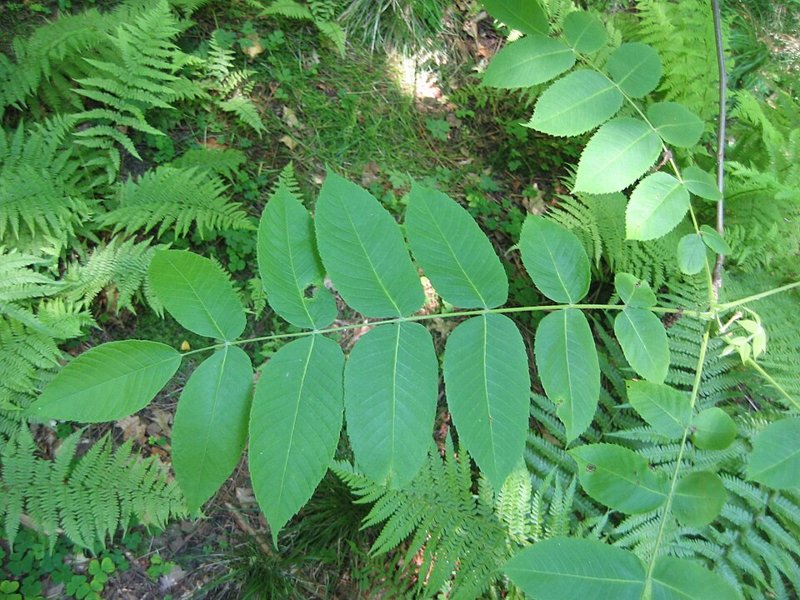
Butternut
Juglans cinerea L.
- Tree
- Native
- Allelopathic (juglone)
Pet & Human Safety
People: No hazard foundPets: Toxic to pets
Toxic to pets at the scope stated in the source line. Keep it away from dogs and cats. Scope of the source: cautious genus-extended.
Poison control
If someone has collapsed, cannot be woken, is having a seizure or has trouble breathing, call 911 now. For any other possible poisoning, call Poison Help: 1-800-222-1222.
Emergency number source: U.S. federal law (47 U.S.C. § 251(e)(3)), read 2026-10-07.
Naturalist Lore
Historical Background & Breeding Lore
The history of this plant and its name, and how it was bred, where we have them.
Get the app: coming soonCare
- Hardiness zones
USDA hardiness zones 3a to 7b (US system).
- Mature size
Height 40-60 ft; width 40-60 ft; typical life about 75 years.
- Family
Juglandaceae (walnut family)
- Where it comes from
Eastern Canada (New Brunswick, Ontario, Quebec) and the central and eastern United States.
How to prepare the soil, when and what to feed, and how and when to prune where that applies.
Get the app: coming soonAnatomy & Guilds
Botanical Anatomy & Characteristics
How the flowers and leaves are built and which pollinators visit, where we have them.
Get the app: coming soonField Doctor
Field Doctor
What can go wrong with this plant and what to do about it, where we have them.
Get the app: coming soonVintage Plates
Vintage Plates
Old botanical drawings from public libraries are in the app, for plants where we have them.
Get the app: coming soon