
 Plot & Petal
Field ManualAll plants
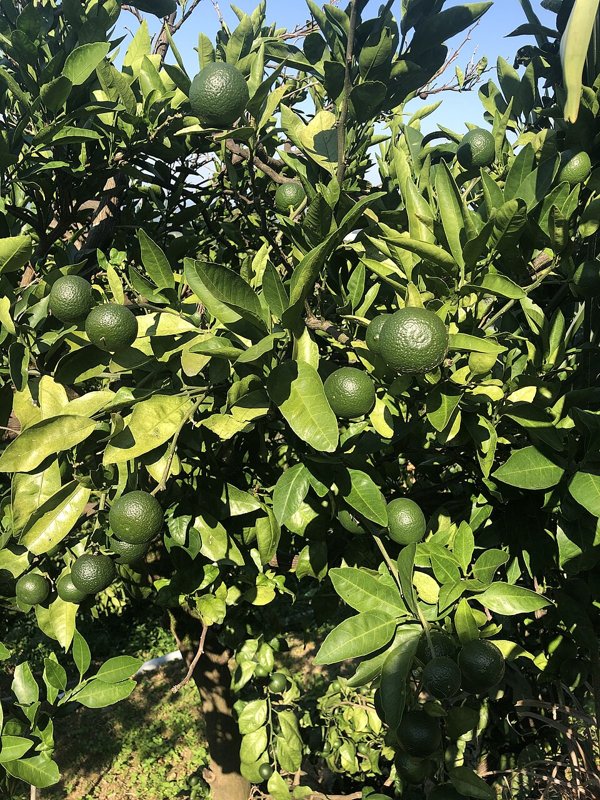
Key lime
Citrus aurantifolia
Family: Rutaceae
- citrus
Pet & Human Safety
Hazard to people and pets
ASPCA: Toxic to Dogs, Toxic to Cats, Toxic to Horses. Toxic Principles: essential oils and psoralens, the same class shared across citrus species. Per ASPCA's own Lime page (confirmed live 2026-09-29), clinical signs are vomiting, diarrhea, and depression, with potential dermatitis; the fruit itself is edible, but the skin and other plant material can cause problems.
Poison control
If someone has collapsed, cannot be woken, is having a seizure or has trouble breathing, call 911 now. For any other possible poisoning, call Poison Help: 1-800-222-1222.
Emergency number source: U.S. federal law (47 U.S.C. § 251(e)(3)), read 2026-10-07.
Naturalist Lore
Historical Background & Breeding Lore
The history of this plant and its name, and how it was bred, where we have them.
Get the app: coming soonCare
- Hardiness zones
Cold-sensitive: foliage damage between 30-32 deg F; wood damage or death below 29 deg F (UF/IFAS EDIS CH092). Plant in a spot sheltered from cold northerly winds. Best suited to warmer parts of south Florida, though "some warm locations outside of extreme south Florida may be suitable."
- Mature size
Rarely taller than 12 ft in the open; home trees are typically pruned to 6-8 ft high and 10-12 ft wide (UF/IFAS EDIS CH092).
- Where it comes from
Cultivated origin in Asia (genus Citrus/Fortunella); not restated per-species here since no source gave a specific wild native-range claim beyond general citrus history.
How to prepare the soil, when and what to feed, and how and when to prune where that applies.
Get the app: coming soonAnatomy & Guilds
Botanical Anatomy & Characteristics
How the flowers and leaves are built and which pollinators visit, where we have them.
Get the app: coming soonField Doctor
Field Doctor
What can go wrong with this plant and what to do about it, where we have them.
Get the app: coming soonVintage Plates
Vintage Plates
Old botanical drawings from public libraries are in the app, for plants where we have them.
Get the app: coming soonSources
- UF/IFAS EDIS CH092 (FC47), The Key Lime
- ASPCA, Toxic and Non-toxic Plants: Lime
- USDA APHIS, Citrus Greening and Asian Citrus Psyllid
- USDA, "Citrus Trees: Move It and Lose It" (2014)
- UF/IFAS Gardening Solutions, Citrus Greening FAQ
- Florida Statute Sec. 581.1843
- NC State Extension Gardener Plant Toolbox - Citrus x aurantiifolia
- National Capital Poison Center (poison.org) - Lime juice and sun can cause skin rashes
- ASPCA, Toxic and Non-toxic Plants