
 Plot & Petal
Field ManualAll plants
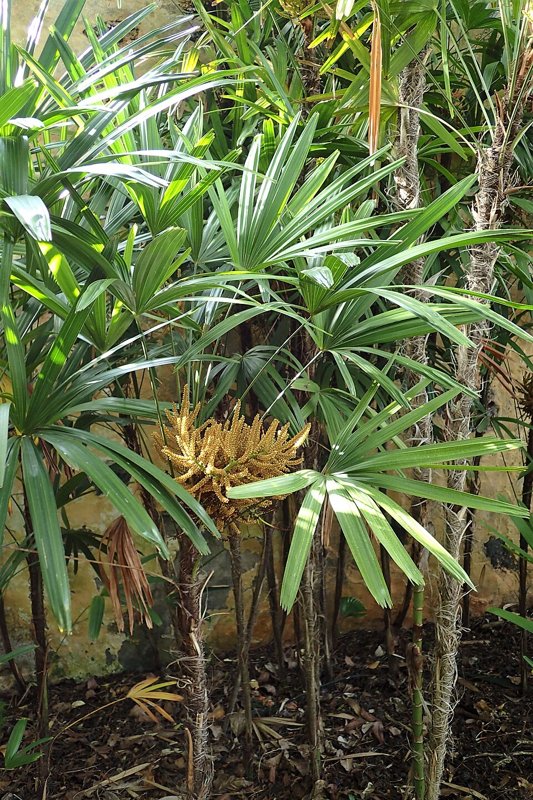
Lady Palm
Rhapis excelsa
Family: ArecaceaeOrigin: Southern China and VietnamZones: 9a-11b
- true palm
- shade-tolerant houseplant or landscape palm
Pet & Human Safety
People: Not researchedPets: Not on the ASPCA lists as we read them
Non-toxic to cats, dogs, and horses per both ASPCA (under the older synonym name) and NC State (under the current accepted name). This is a genuine exact-species confirmation, not an inference from a wider group, because the synonym relationship is confirmed by GBIF's taxonomic backbone rather than assumed from similar names. ASPCA is the only source used, and one source cannot show a plant is safe, so no safe verdict is given. Keep dogs, cats and horses from eating it.
PlotAndPetal cannot tell you whether a plant you found can be eaten. Only someone who can see the plant can identify it.
Poison control
If someone has collapsed, cannot be woken, is having a seizure or has trouble breathing, call 911 now. For any other possible poisoning, call Poison Help: 1-800-222-1222.
Emergency number source: U.S. federal law (47 U.S.C. § 251(e)(3)), read 2026-10-07.
Naturalist Lore
Historical Background & Breeding Lore
The history of this plant and its name, and how it was bred, where we have them.
Get the app: coming soonCare
- Hardiness zones
9a-11b
- Water needs
Regular watering except reduced in winter.
- Mature size
4-12 ft tall, 6-15 ft wide.
How to prepare the soil, when and what to feed, and how and when to prune where that applies.
Get the app: coming soonAnatomy & Guilds
Botanical Anatomy & Characteristics
How the flowers and leaves are built and which pollinators visit, where we have them.
Get the app: coming soonField Doctor
Field Doctor
What can go wrong with this plant and what to do about it, where we have them.
Get the app: coming soonVintage Plates
Vintage Plates
Old botanical drawings from public libraries are in the app, for plants where we have them.
Get the app: coming soon