
 Plot & Petal
Field ManualAll plants
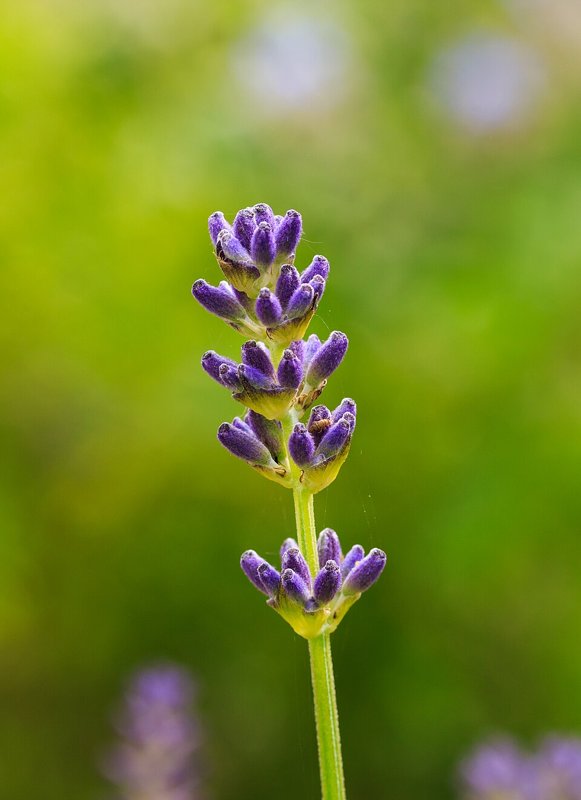
Lavender
Lavandula L.
Family: Lamiaceae
- Full Sun
- Drought Tolerant
- Perennial Herb
Pet & Human Safety
People: Toxic to people (low severity)Pets: Toxic to pets
ASPCA lists Lavender (Common Lavender, English Lavender: Lavandula angustifolia) as Toxic to Dogs, Toxic to Cats, and Toxic to Horses: ASPCA page, species-level listing. Toxic principles: linalool and linalyl acetate (the same aromatic compounds responsible for lavender's characteristic scent). Clinical signs are mild: nausea, vomiting (not seen in horses), and inappetence (reduced appetite): similar severity tier to gardenia, not the cardiac-risk tier of azalea.
PlotAndPetal cannot tell you whether a plant you found can be eaten. Only someone who can see the plant can identify it.
Poison control
If someone has collapsed, cannot be woken, is having a seizure or has trouble breathing, call 911 now. For any other possible poisoning, call Poison Help: 1-800-222-1222.
Emergency number source: U.S. federal law (47 U.S.C. § 251(e)(3)), read 2026-10-07.
Naturalist Lore
Historical Background & Breeding Lore
The history of this plant and its name, and how it was bred, where we have them.
Get the app: coming soonCare
- Hardiness zones
USDA zones 5a-9b (NC State Extension Gardener Plant Toolbox, Lavandula angustifolia).
- Mature size
1-2 feet tall, 2-3 feet wide (NC State Extension Gardener Plant Toolbox, Lavandula angustifolia).
How to prepare the soil, when and what to feed, and how and when to prune where that applies.
Get the app: coming soonAnatomy & Guilds
Botanical Anatomy & Characteristics
How the flowers and leaves are built and which pollinators visit, where we have them.
Get the app: coming soonField Doctor
Field Doctor
What can go wrong with this plant and what to do about it, where we have them.
Get the app: coming soonVintage Plates
Vintage Plates
Old botanical drawings from public libraries are in the app, for plants where we have them.
Get the app: coming soonSources
- Clemson HGIC, Herbs (lavender section)
- Pacific Northwest Plant Disease Management Handbook, Lavender Root Rot
- UConn Home & Garden Education Center, Four-Lined Plant Bug
- ASPCA, Toxic and Non-toxic Plants: Lavender
- NC State Extension Gardener Plant Toolbox - Lavandula angustifolia (English/Common Lavender); heat-tolerant alternatives include Lavandula x intermedia (Lavandin), Lavandula stoechas (Spanish Lavender), and Lavandula dentata (French Lavender)