
 Plot & Petal
Field ManualAll plants
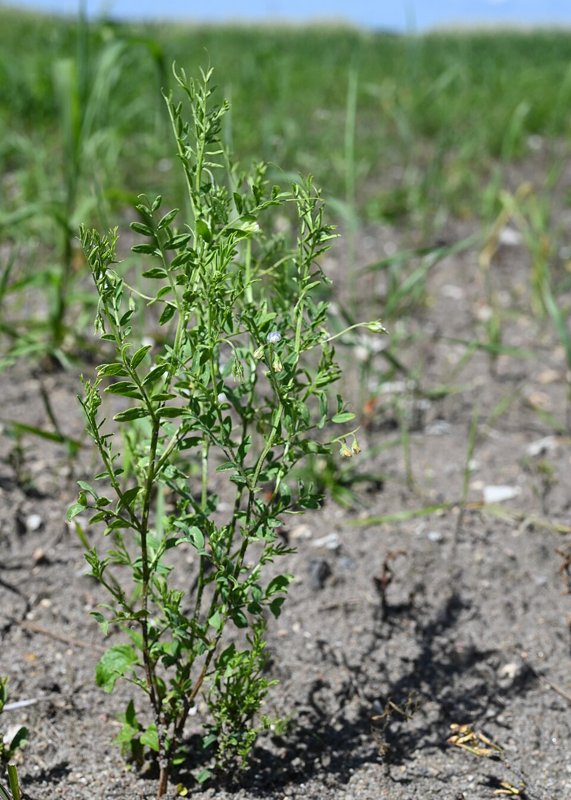
Lentil
Vicia lens (L.) Coss. & Germ.
Family: Fabaceae
- Cool-Season Pulse
- Field Crop
- No Florida Source Found
Pet & Human Safety
People: No hazard foundPets: Not on the ASPCA lists as we read them
Not applicable: this hazard section concerns human lectin/PHA exposure, not pet toxicity, which is separately not checked above.
Not yet directly checked against ASPCA's toxic-or-non-toxic-plants database under every synonym. No verdict is given because this plant has not been researched yet. That is not a confirmed absence, so do not treat it as cleared for pets. see the hazard information below for the separate food-safety picture.
Poison control
If someone has collapsed, cannot be woken, is having a seizure or has trouble breathing, call 911 now. For any other possible poisoning, call Poison Help: 1-800-222-1222.
Emergency number source: U.S. federal law (47 U.S.C. § 251(e)(3)), read 2026-10-07.
Naturalist Lore
Historical Background & Breeding Lore
The history of this plant and its name, and how it was bred, where we have them.
Get the app: coming soonCare
- Hardiness zones
Not checked for Florida: no Florida or UF/IFAS source was found. Cold tolerance to 21°F; minimum germination soil temperature 41°F (USDA NRCS).
- Water needs
low
- Mature size
12-16 in tall, indeterminate growth habit (MSU EB0210); upright stem with pinnate leaves of up to 14 leaflets (USDA NRCS).
How to prepare the soil, when and what to feed, and how and when to prune where that applies.
Get the app: coming soonAnatomy & Guilds
Botanical Anatomy & Characteristics
How the flowers and leaves are built and which pollinators visit, where we have them.
Get the app: coming soonField Doctor
Field Doctor
What can go wrong with this plant and what to do about it, where we have them.
Get the app: coming soonVintage Plates
Vintage Plates
Old botanical drawings from public libraries are in the app, for plants where we have them.
Get the app: coming soonSources
- Michigan State University Extension EB0210 (lentil field-crop guide)
- USDA NRCS Lentil Cover Crop Fact Sheet
- University of Wisconsin Extension, Lentil
- Health Canada, 'Lectins in Dry Legumes' (2011)
- FDA, Natural Toxins in Food (PHA/lectins)
- Montana State University Extension - Lentils fact sheet
- Colorado State University Extension - Cooking with Dry Beans and Other Pulses
- WHO fact sheet - Natural toxins in food (lentils NOT mentioned)