
 Plot & Petal
Field ManualAll plants
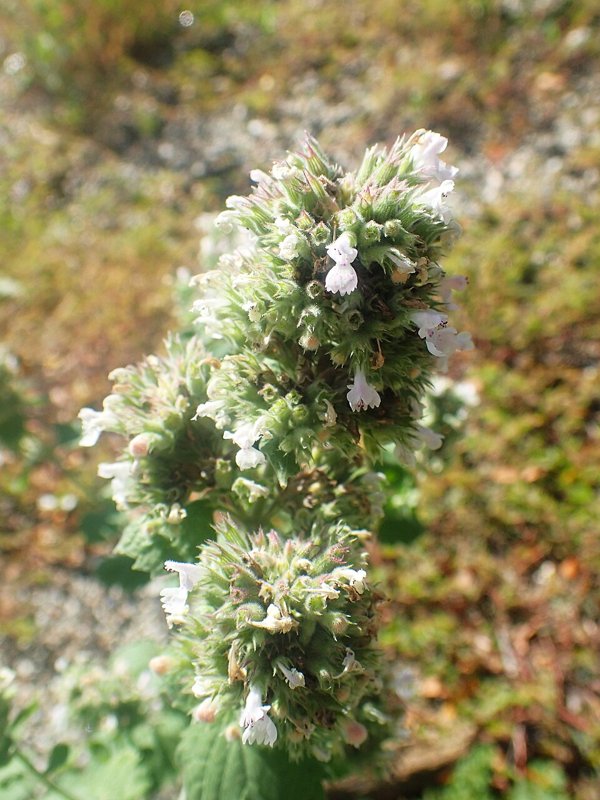
Catnip
Nepeta cataria
Family: LamiaceaeOrigin: Europe and Asia, naturalized throughout North America
- Vigorous Perennial
Pet & Human Safety
People: No hazard foundPets: Toxic to cats
ASPCA lists catnip as toxic to cats specifically (not dogs or horses): toxic principle is nepetalactone. Despite catnip's popular reputation as a harmless cat treat, ASPCA notes that eating it can cause vomiting and diarrhea; the plant's famous behavioral effects (some cats become sedated, others stimulated) are a separate response from the GI-upset risk of ingestion. Not the same species as catmint (Nepeta x faassenii and other ornamental Nepeta hybrids), which are grown as landscape plants and may have different toxicity profiles not covered here.
Poison control
If someone has collapsed, cannot be woken, is having a seizure or has trouble breathing, call 911 now. For any other possible poisoning, call Poison Help: 1-800-222-1222.
Emergency number source: U.S. federal law (47 U.S.C. § 251(e)(3)), read 2026-10-07.
Naturalist Lore
Historical Background & Breeding Lore
The history of this plant and its name, and how it was bred, where we have them.
Get the app: coming soonCare
- Hardiness zones
3a - 9b (NC State Extension)
- Mature size
Up to 3 ft tall, needing 12 in to 3 ft of space.
How to prepare the soil, when and what to feed, and how and when to prune where that applies.
Get the app: coming soonAnatomy & Guilds
Botanical Anatomy & Characteristics
How the flowers and leaves are built and which pollinators visit, where we have them.
Get the app: coming soonField Doctor
Field Doctor
What can go wrong with this plant and what to do about it, where we have them.
Get the app: coming soonVintage Plates
Vintage Plates
Old botanical drawings from public libraries are in the app, for plants where we have them.
Get the app: coming soon