
 Plot & Petal
Field ManualAll plants
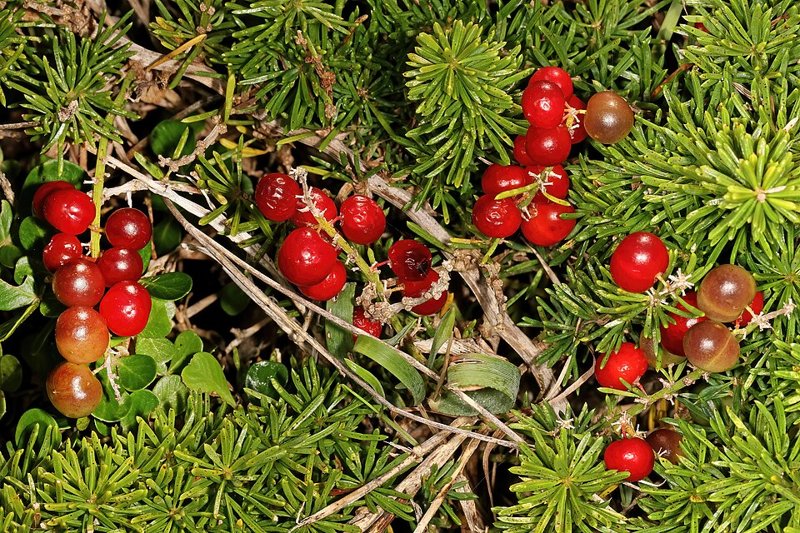
Foxtail Fern / Asparagus Fern
Asparagus aethiopicus
Family: AsparagaceaeZones: 9A-11B for both cultivars
- Cultivar not yet confirmed: could be 'Sprengeri' or 'Myersii', each with its own invasive-status finding below.
- Invasive-status Caution for one cultivar: see the invasive-status note below.
Pet & Human Safety
People: Hazard to peoplePets: Not on the ASPCA lists as we read them
ASPCA's clinical signs for this species: allergic dermatitis with repeated skin contact, and gastric upset (vomiting, abdominal pain, or diarrhea) if the berries are eaten. Keep pets from chewing on the foliage or eating the small berries either cultivar produces.
PlotAndPetal cannot tell you whether a plant you found can be eaten. Only someone who can see the plant can identify it.
Poison control
If someone has collapsed, cannot be woken, is having a seizure or has trouble breathing, call 911 now. For any other possible poisoning, call Poison Help: 1-800-222-1222.
Emergency number source: U.S. federal law (47 U.S.C. § 251(e)(3)), read 2026-10-07.
Naturalist Lore
Historical Background & Breeding Lore
The history of this plant and its name, and how it was bred, where we have them.
Get the app: coming soonCare
- Hardiness zones
USDA Zones 9A-11B for both cultivars.
- Water needs
Sprengeri: drought-tolerant once established, avoid overwatering (wet soil causes root rot). Myersii: moderately drought tolerant.
- Mature size
Sprengeri (trailing form): 1-2 ft tall, 3-4 ft spread, fast growing, cascading habit. Myersii (foxtail form): 1-2 ft tall, 2-4 ft spread, upright vase-shaped growth with spined stems forming dense 'foxtail' plumes.
- Where it comes from
Not confirmed with a specific country or region; UF/IFAS EDIS FP052 states the Myersii cultivar is 'not native to North America.'
How to prepare the soil, when and what to feed, and how and when to prune where that applies.
Get the app: coming soonAnatomy & Guilds
Botanical Anatomy & Characteristics
How the flowers and leaves are built and which pollinators visit, where we have them.
Get the app: coming soonField Doctor
Field Doctor
What can go wrong with this plant and what to do about it, where we have them.
Get the app: coming soonVintage Plates
Vintage Plates
Old botanical drawings from public libraries are in the app, for plants where we have them.
Get the app: coming soonSources
- UF/IFAS EDIS FP051, 'Sprenger Asparagus Fern (Asparagus aethiopicus 'Sprengeri')'
- UF/IFAS EDIS FP052, 'Meyers Asparagus Fern (Asparagus densiflorus 'Myersii')'
- Florida Natural Areas Inventory (FNAI), invasive species page for Asparagus aethiopicus
- ASPCA, Toxic and Non-Toxic Plants: Asparagus Fern
- ASPCA, Toxic and Non-Toxic Plants: Sprengeri Fern