
 Plot & Petal
Field ManualAll plants
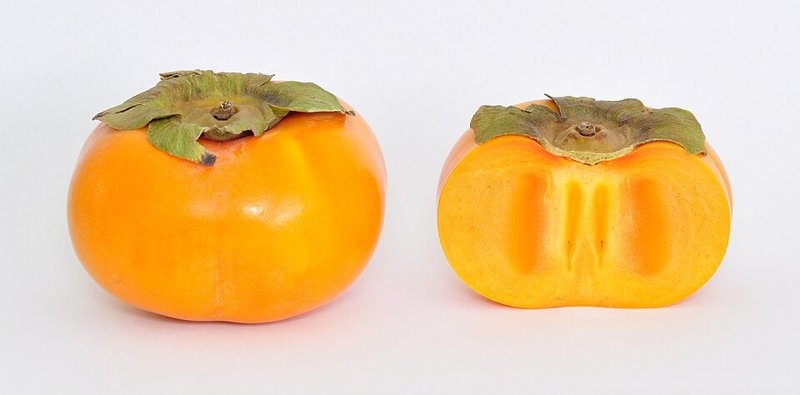
Persimmon
Diospyros kaki
- Tree Fruit
- Deciduous
- Unripe Fruit Is an Obstruction Risk for Livestock
Pet & Human Safety
People: Toxic to peoplePets: Not on the ASPCA lists as we read them
IMPORTANT, and distinct from a toxicity verdict: unripe persimmon fruit and seeds are not easily digested by horses and can polymerize into a hard, glue-like mass (a phytobezoar) that causes gastrointestinal obstruction and impaction colic: documented in a peer-reviewed case series specifically involving American persimmon (D. virginiana). Veterinary sources are explicit that 'this is a physical blockage problem, not a poisoning.' Symptoms include colic, unexplained weight loss, anorexia, and diarrhea, sometimes appearing weeks after ingestion since fruit persists on branches into winter, prolonging exposure. This is a mechanical/obstruction hazard, most documented in horses and other livestock, not a toxin-based poisoning, and is reported separately from the 'not listed' toxicity verdict above so the two are not conflated.
Poison control
If someone has collapsed, cannot be woken, is having a seizure or has trouble breathing, call 911 now. For any other possible poisoning, call Poison Help: 1-800-222-1222.
Emergency number source: U.S. federal law (47 U.S.C. § 251(e)(3)), read 2026-10-07.
Naturalist Lore
Historical Background & Breeding Lore
The history of this plant and its name, and how it was bred, where we have them.
Get the app: coming soonCare
- Hardiness zones
Diospyros kaki: USDA zones 7a-10b, does not tolerate temperatures below 10F (NC State). Diospyros virginiana: USDA zones 4a-9b, substantially more cold-hardy (NC State).
- Water needs
moderate
- Mature size
Diospyros kaki: 20-30 ft height x 15-25 ft width (NC State), though Florida specimens often stay smaller. Diospyros virginiana: notably larger, 30-80 ft height x 20-35 ft width (NC State).
- Family
Ebenaceae (ebony family)
- Where it comes from
Diospyros kaki: China/Japan. Diospyros virginiana: native to the eastern/central US, New England to Florida, west to Texas and Kansas (NC State).
How to prepare the soil, when and what to feed, and how and when to prune where that applies.
Get the app: coming soonAnatomy & Guilds
Botanical Anatomy & Characteristics
How the flowers and leaves are built and which pollinators visit, where we have them.
Get the app: coming soonField Doctor
Field Doctor
What can go wrong with this plant and what to do about it, where we have them.
Get the app: coming soonVintage Plates
Vintage Plates
Old botanical drawings from public libraries are in the app, for plants where we have them.
Get the app: coming soonSources
- NC State Extension Plant Toolbox, Diospyros kaki
- NC State Extension Plant Toolbox, Diospyros virginiana
- UF/IFAS EDIS MG242/SP101, 'Japanese Persimmon Cultivars in Florida' (cultivar-focused, not a general growing guide)
- PubMed, Cummings/Copedge/Confer, 'Equine Gastric Impaction, Ulceration, and Perforation Due to Persimmon (Diospyros Virginiana) Ingestion'
- UF/IFAS EDIS HS1479 - Dried Persimmon Fruit: A Year-round Available Product
- UF/IFAS EDIS HS1483 - Alleviating Astringency in Persimmon Fruit for Enhanced Palatability and Consumer Acceptability
- Kew World Checklist of Vascular Plants (WCVP), names file dated 2026-06-04