
 Plot & Petal
Field ManualAll plants
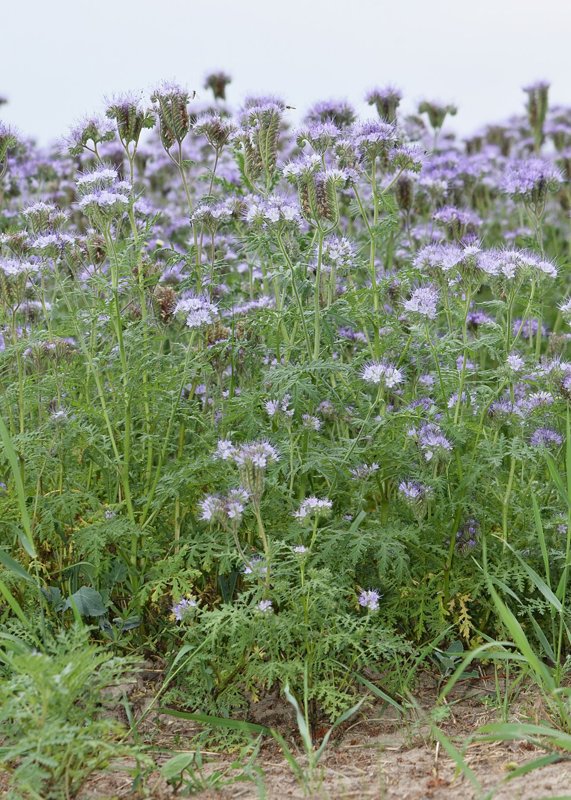
Lacy phacelia
Phacelia tanacetifolia
- Pollinator Plant
- Drought Tolerant
- Heat Tolerant
Pet & Human Safety
People: No hazard foundPets: Not on the ASPCA lists as we read them
The pet verdict rests on the sources named in the source line. ASPCA (searched species and common names): no page. NC State: no tags.
PlotAndPetal cannot tell you whether a plant you found can be eaten. Only someone who can see the plant can identify it.
Poison control
If someone has collapsed, cannot be woken, is having a seizure or has trouble breathing, call 911 now. For any other possible poisoning, call Poison Help: 1-800-222-1222.
Emergency number source: U.S. federal law (47 U.S.C. § 251(e)(3)), read 2026-10-07.
Naturalist Lore
Historical Background & Breeding Lore
The history of this plant and its name, and how it was bred, where we have them.
Get the app: coming soonCare
- Hardiness zones
NC State lists no USDA zone attribute; its description says only that the plant is winter hardy to 18 degrees F.
- Light
Full sun (6 or more hours of direct sunlight a day)
- Water needs
low
- Mature size
1 to 3 feet tall and 1 to 3 feet wide (NC State Extension)
How to prepare the soil, when and what to feed, and how and when to prune where that applies.
Get the app: coming soonAnatomy & Guilds
Botanical Anatomy & Characteristics
How the flowers and leaves are built and which pollinators visit, where we have them.
Get the app: coming soonField Doctor
Field Doctor
What can go wrong with this plant and what to do about it, where we have them.
Get the app: coming soonVintage Plates
Vintage Plates
Old botanical drawings from public libraries are in the app, for plants where we have them.
Get the app: coming soon