
 Plot & Petal
Field ManualAll plants
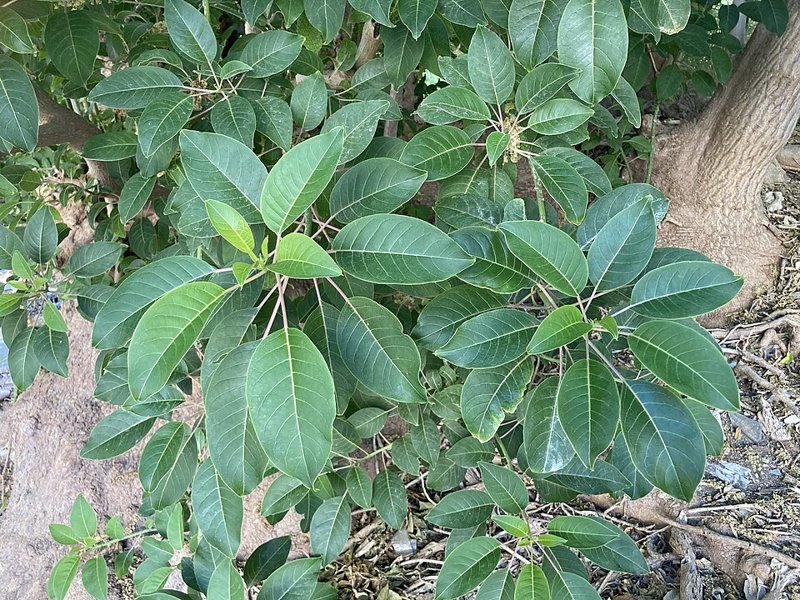
Ombu
Phytolacca dioica L.
Family: Phytolaccaceae
Pet & Human Safety
People: Skin irritant to peoplePets: Not on the ASPCA lists as we read them
ASPCA has no Phytolacca dioica page. Plant Pono lists poisonous sap and fruit toxic to livestock. Do not treat as pet-safe.
PlotAndPetal cannot tell you whether a plant you found can be eaten. Only someone who can see the plant can identify it.
Poison control
If someone has collapsed, cannot be woken, is having a seizure or has trouble breathing, call 911 now. For any other possible poisoning, call Poison Help: 1-800-222-1222.
Emergency number source: U.S. federal law (47 U.S.C. § 251(e)(3)), read 2026-10-07.
Naturalist Lore
Historical Background & Breeding Lore
The history of this plant and its name, and how it was bred, where we have them.
Get the app: coming soonCare
- Hardiness zones
USDA 9b-11, tolerates light frost (Plant Pono)
- Light
Plant Pono: not shade tolerant.
- Water needs
The level is a plain-language reading of the source wording cited. Always finger-test two inches down.
- Mature size
HortFlora: to about 10 m tall; trunk broad and often buttress-like at the base. Benalla specimen recorded at 11.5 m tall with a 16 m spread.
How to prepare the soil, when and what to feed, and how and when to prune where that applies.
Get the app: coming soonAnatomy & Guilds
Botanical Anatomy & Characteristics
How the flowers and leaves are built and which pollinators visit, where we have them.
Get the app: coming soonField Doctor
Field Doctor
What can go wrong with this plant and what to do about it, where we have them.
Get the app: coming soonVintage Plates
Vintage Plates
Old botanical drawings from public libraries are in the app, for plants where we have them.
Get the app: coming soonSources
- HortFlora (Royal Botanic Gardens Victoria) - Phytolacca dioica
- Plant Pono (Hawaii Department of Agriculture and partners) - Phytolacca dioica
- Parcs i Jardins de Barcelona (Institut Municipal) - Pla de gestio de l'arbrat viari de Barcelona (December 2005)
- Kew POWO/WCVP - accepted-name record
- ASPCA Toxic and Non-Toxic Plants list