
 Plot & Petal
Field ManualAll plants
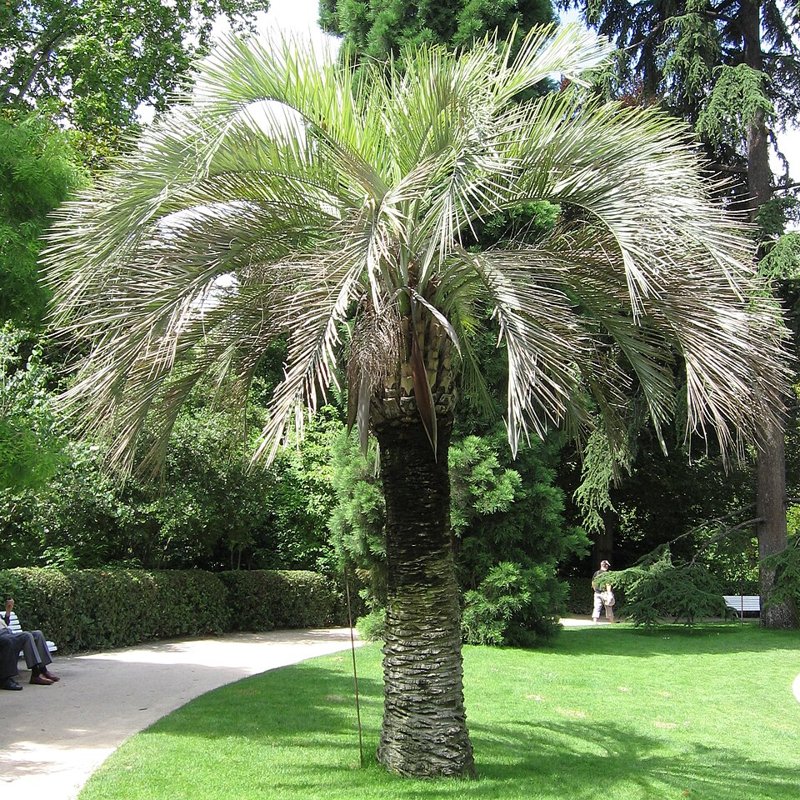
Pindo Palm
Butia odorata
- Cold Hardy
- Slow Growing
- Under-Powerline Size
Pet & Human Safety
People: Not researchedPets: Not on the ASPCA lists as we read them
Genuinely unassessed by ASPCA, not cleared. For context, ASPCA generally (not universally) rates true palms non-toxic, though that pattern isn't extended here as a substitute for a species-specific verdict. The fruit's edibility for people (see the hazard information below) is a separate question from pet safety.
PlotAndPetal cannot tell you whether a plant you found can be eaten. Only someone who can see the plant can identify it.
Poison control
If someone has collapsed, cannot be woken, is having a seizure or has trouble breathing, call 911 now. For any other possible poisoning, call Poison Help: 1-800-222-1222.
Emergency number source: U.S. federal law (47 U.S.C. § 251(e)(3)), read 2026-10-07.
Naturalist Lore
Historical Background & Breeding Lore
The history of this plant and its name, and how it was bred, where we have them.
Get the app: coming soonCare
- Hardiness zones
USDA 8a and warmer (UF/IFAS EDIS), hardy down to about 10°F: one of the more cold-tolerant feather palms grown in the Southeast, comfortably within central Florida.
- Water needs
low
- Mature size
Eventually reaching 15-20 feet, slow growth rate (UF/IFAS EDIS).
- Family
Arecaceae (true palm family)
How to prepare the soil, when and what to feed, and how and when to prune where that applies.
Get the app: coming soonAnatomy & Guilds
Botanical Anatomy & Characteristics
How the flowers and leaves are built and which pollinators visit, where we have them.
Get the app: coming soonField Doctor
Field Doctor
What can go wrong with this plant and what to do about it, where we have them.
Get the app: coming soonVintage Plates
Vintage Plates
Old botanical drawings from public libraries are in the app, for plants where we have them.
Get the app: coming soon