
 Plot & Petal
Field ManualAll plants
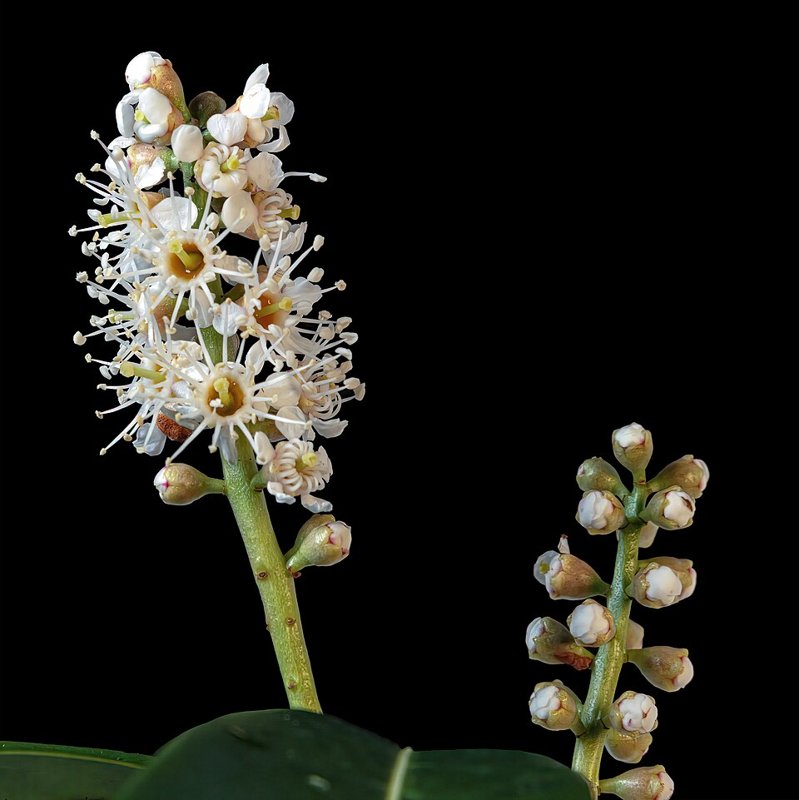
Cherry laurel
Prunus laurocerasus L.
Family: Rosaceae
Pet & Human Safety
Toxic to people and pets
The pet verdict comes from the sources named in the source line. Dogs, cats, horses: NC State flags this plant as a problem for cats, dogs and horses and says stems, leaves and seeds contain cyanide-releasing compounds, particularly toxic while wilting. RHS (UK): harmful if eaten for dogs, rabbits and rodents (references the HTA guide to potentially harmful plants). Oregon State: the same compounds are in stems, leaves and seeds and release hydrogen cyanide when damaged by wilting, chewing or ingesting; it says the risk of poisoning in humans, cats and dogs is small when plant parts are ingested but ruminants break the material down much more efficiently and many poisoning cases are reported. Disputed degree of risk: surface the MORE cautious value (toxic).
PlotAndPetal cannot tell you whether a plant you found can be eaten. Only someone who can see the plant can identify it.
Poison control
If someone has collapsed, cannot be woken, is having a seizure or has trouble breathing, call 911 now. For any other possible poisoning, call Poison Help: 1-800-222-1222.
Emergency number source: U.S. federal law (47 U.S.C. § 251(e)(3)), read 2026-10-07.
Naturalist Lore
Historical Background & Breeding Lore
The history of this plant and its name, and how it was bred, where we have them.
Get the app: coming soonCare
- Hardiness zones
USDA 6a-8b per NC State Plant Toolbox; USDA 6-8 per University of Maryland Extension; USDA 6 per Oregon State (species and several cultivars; 'Nana' zone 7); RHS H5 per RHS (the profile text shows H5 after the rating scale); Spain, Univ. of Valladolid sheet: withstands frost down to about -15 C (no zone system given)
- Light
Full sun to deep shade per NC State; sources differ on the best exposure.
- Water needs
moderate
- Mature size
US: 10-20 ft tall and 8-10 ft wide per NC State; 10-15 ft tall and 6-12 ft wide per University of Maryland Extension; 10-20 ft tall per Oregon State. Cultivars are much smaller: 'Otto Luyken' about 3-4 ft tall and 6-8 ft wide (NC State).; UK: RHS: max height 4-8 m, spread wider than 8 m, 20-50 years to maturity
- Where it comes from
Europe per NC State; southeastern Europe and Asia Minor per Oregon State; E Europe and SW Asia per RHS; the Caucasus, Turkey, Iran and the Balkan Peninsula per the Valladolid sheet. Not native to GB/Ireland (RHS) or Oregon (Oregon State). Escaped cultivation on the US Pacific coast west of the Cascades (NC State).
How to prepare the soil, when and what to feed, and how and when to prune where that applies.
Get the app: coming soonAnatomy & Guilds
Botanical Anatomy & Characteristics
How the flowers and leaves are built and which pollinators visit, where we have them.
Get the app: coming soonField Doctor
Field Doctor
What can go wrong with this plant and what to do about it, where we have them.
Get the app: coming soonVintage Plates
Vintage Plates
Old botanical drawings from public libraries are in the app, for plants where we have them.
Get the app: coming soonSources
- NC State Extension Plant Toolbox - Prunus laurocerasus
- RHS Plant Profile - Prunus laurocerasus (cherry laurel)
- Oregon State University Landscape Plants - Prunus laurocerasus
- University of Maryland Extension - Cherry Laurel: Identify and Manage Problems
- Centre antipoison de Lille - Laurier cerise (hospital poison centre, France)
- Universidad de Valladolid (Palencia) species sheet - Prunus laurocerasus
- ASPCA Animal Poison Control - toxic and non-toxic plants list