
 Plot & Petal
Field ManualAll plants
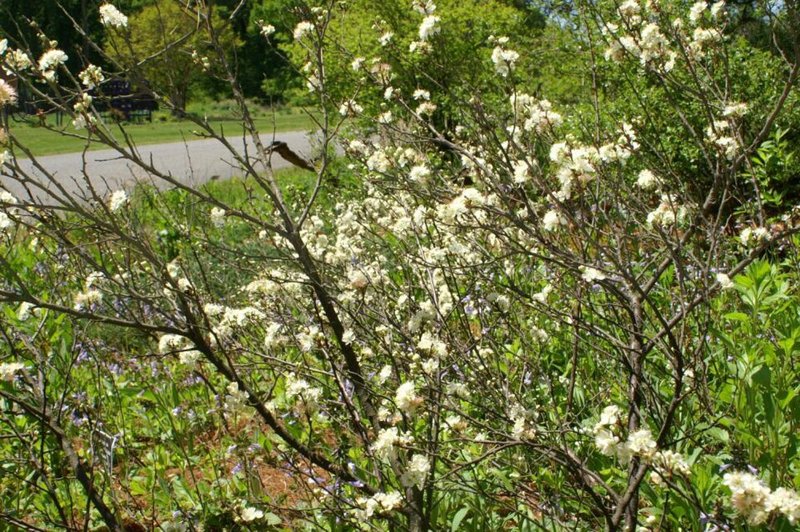
Beach plum
Prunus maritima
Family: Rosaceae
Pet & Human Safety
Toxic to people and pets
Carried from the plum genus, not a page for beach plum: ASPCA lists plum (Prunus domestica) as toxic to dogs, cats and horses (cyanogenic glycosides; stems, leaves and seeds contain cyanide, worst when wilting). USDA NRCS says beach plum foliage contains hydrocyanic acid and may be lethal if livestock eat it, and that the seeds (pits) contain hydrocyanic acid and may be toxic if eaten. NRCS names livestock, not cats and dogs. USDA NRCS: beach plum pits contain cyanide and may be toxic if eaten, and the foliage may be lethal to livestock.
Poison control
If someone has collapsed, cannot be woken, is having a seizure or has trouble breathing, call 911 now. For any other possible poisoning, call Poison Help: 1-800-222-1222.
Emergency number source: U.S. federal law (47 U.S.C. § 251(e)(3)), read 2026-10-07.
Naturalist Lore
Historical Background & Breeding Lore
The history of this plant and its name, and how it was bred, where we have them.
Get the app: coming soonCare
- Hardiness zones
USDA 3a to 8a (USDA NRCS). Florida is outside this range.
- Water needs
USDA NRCS: beach plum 'can produce an abundant crop without irrigation', and a study it cites (Uva and Whitlow, 2007) found no benefit from irrigation.
- Mature size
Typically 3 to 8 ft tall in the wild; up to 18 ft under ideal care; thickets up to 20 ft across (NRCS). Spacing: USDA NRCS (orchard plantings): larger shrubs pruned individually about 10 ft apart, or smaller shrubs 3 to 5 ft apart as a hedgerow; rows usually 12 to 16 ft apart. NRCS also says beach plum suckers strongly and may spread undesirably if not controlled.
How to prepare the soil, when and what to feed, and how and when to prune where that applies.
Get the app: coming soonAnatomy & Guilds
Botanical Anatomy & Characteristics
How the flowers and leaves are built and which pollinators visit, where we have them.
Get the app: coming soonField Doctor
Field Doctor
What can go wrong with this plant and what to do about it, where we have them.
Get the app: coming soonVintage Plates
Vintage Plates
Old botanical drawings from public libraries are in the app, for plants where we have them.
Get the app: coming soonSources
- USDA NRCS Plant Guide, Beach plum (Prunus maritima), Plant Symbol PRMA2
- University of Maryland Extension, Starting a Home Fruit Garden (lists beach plum as locally native, unreliable fruiting)
- ASPCA, Toxic and Non-toxic Plants: Plum (page is for Prunus domestica); beach-plum page name returned index page
- Kew World Checklist of Vascular Plants (WCVP)
- ASPCA Toxic and Non-toxic Plants: Cherry (Checked October 2026)