
 Plot & Petal
Field ManualAll plants
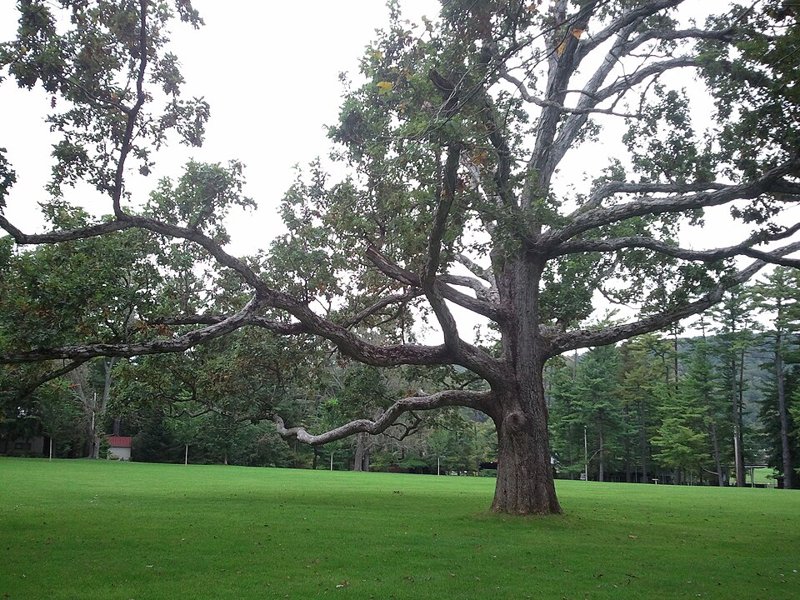
White oak
Quercus alba L.
Family: Fagaceae
Pet & Human Safety
People: Toxic to people (low severity)Pets: Not on the ASPCA lists as we read them
ASPCA's oak page is whole-genus and names horses; it does not give a dog or cat verdict for this species. NC State's page lists low-severity poison characteristics for leaves and acorns. No all-clear is given; treat this plant as unchecked for pets.
PlotAndPetal cannot tell you whether a plant you found can be eaten. Only someone who can see the plant can identify it.
Poison control
If someone has collapsed, cannot be woken, is having a seizure or has trouble breathing, call 911 now. For any other possible poisoning, call Poison Help: 1-800-222-1222.
Emergency number source: U.S. federal law (47 U.S.C. § 251(e)(3)), read 2026-10-07.
Naturalist Lore
Historical Background & Breeding Lore
The history of this plant and its name, and how it was bred, where we have them.
Get the app: coming soonCare
- Hardiness zones
USDA 3a to 9b (NC State). UGA: whole state of Georgia.
- Water needs
moist to occasionally dry; drought-tolerant once established
- Mature size
unit: ft; scope: species, NC State figures; UConn says 50-80 ft tall, UGA says 60-100 ft tall and 40-60 ft spread
- Where it comes from
NC State: southeastern Canada to central and eastern United States (native in 35 US states and Ontario and Quebec).
How to prepare the soil, when and what to feed, and how and when to prune where that applies.
Get the app: coming soonAnatomy & Guilds
Botanical Anatomy & Characteristics
How the flowers and leaves are built and which pollinators visit, where we have them.
Get the app: coming soonField Doctor
Field Doctor
What can go wrong with this plant and what to do about it, where we have them.
Get the app: coming soonVintage Plates
Vintage Plates
Old botanical drawings from public libraries are in the app, for plants where we have them.
Get the app: coming soonSources
- NC State Extension Gardener Plant Toolbox, Quercus alba
- UConn Extension, Native and Sustainable Plant Guide (Wallace and Siegel-Miles)
- UGA Extension Bulletin 625, Landscape Plants for Georgia
- Kew Plants of the World Online (WCVP): accepted name, authors, family, synonyms, native areas
- ASPCA Toxic and Non-Toxic Plants list