 Plot & Petal
Field ManualAll plants
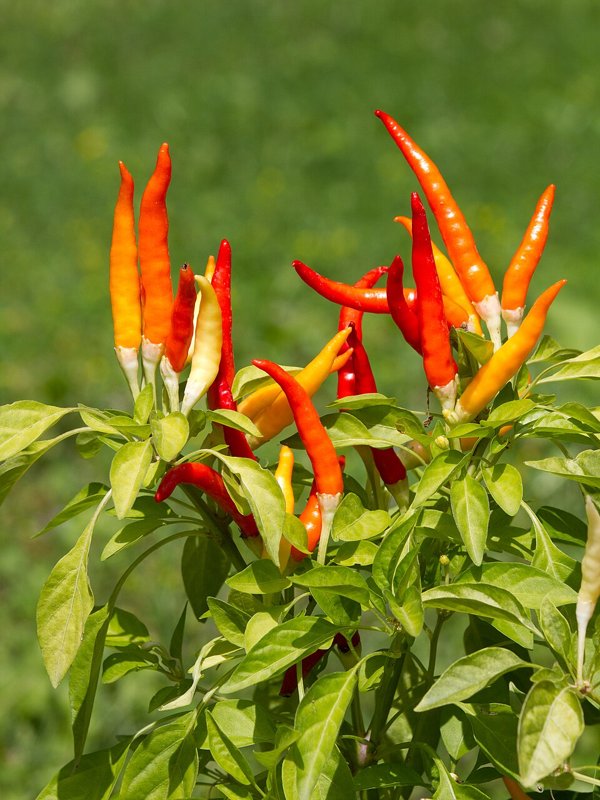
Sweet/Bell Pepper
Capsicum annuum L.
- Warm-season annual
- Self-pollinating
Pet & Human Safety
People: No hazard foundPets: Not on the ASPCA lists as we read them
No dedicated ASPCA entry exists for Capsicum annuum (garden bell/sweet pepper), confirmed as of 2026-09-28. Do not confuse with ASPCA's 'Ornamental Pepper' page, which covers Solanum pseudocapsicum (Jerusalem cherry), an unrelated toxic plant with a similar common name. No toxicity verdict is recorded here rather than guessing true or false.
Poison control
If someone has collapsed, cannot be woken, is having a seizure or has trouble breathing, call 911 now. For any other possible poisoning, call Poison Help: 1-800-222-1222.
Emergency number source: U.S. federal law (47 U.S.C. § 251(e)(3)), read 2026-10-07.
Naturalist Lore
Historical Background & Breeding Lore
The history of this plant and its name, and how it was bred, where we have them.
Get the app: coming soonCare
- Hardiness zones
Warm-season annual in every US zone; frost-killed, so timing follows the local last-frost date rather than a hardiness number.
- Mature size
Typically 18-24 in. tall and about as wide; stays compact compared to an indeterminate tomato.
- Family
Solanaceae (nightshade family; same family as tomato, potato, and eggplant, which is also why Clemson HGIC's soil advice says not to replant peppers where any of those grew previously)
- Where it comes from
Native to Mexico and Central/South America, cultivated there for thousands of years before European contact.
How to prepare the soil, when and what to feed, and how and when to prune where that applies.
Get the app: coming soonAnatomy & Guilds
Botanical Anatomy & Characteristics
How the flowers and leaves are built and which pollinators visit, where we have them.
Get the app: coming soonField Doctor
Field Doctor
What can go wrong with this plant and what to do about it, where we have them.
Get the app: coming soonVintage Plates
Vintage Plates
Old botanical drawings from public libraries are in the app, for plants where we have them.
Get the app: coming soonSources
- Clemson HGIC, Pepper
- University of Maryland Extension, Sunscald on Vegetables
- University of Maryland Extension, Growing Peppers in a Home Garden
- ASPCA, Toxic and Non-toxic Plants: Ornamental Pepper
- UF/IFAS Gardening Solutions, 'Applying Fertilizer to Vegetables'
- NC State Extension Gardener Plant Toolbox - Capsicum annuum Grossum Group (Bell Pepper)
- NC State Extension Gardener Plant Toolbox - Capsicum annuum (species page)
- National Capital Poison Center (poison.org) - Capsaicin: When the chili is too hot