
 Plot & Petal
Field ManualAll plants
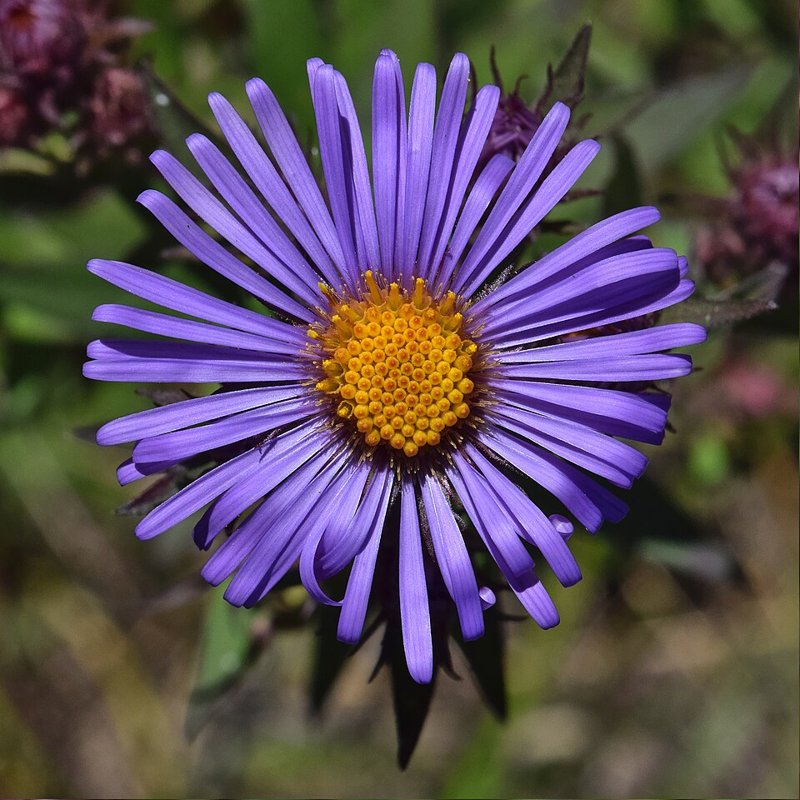
Aster
Symphyotrichum (genus level; no species chosen)
Family: Asteraceae
- Perennial
- Fall Bloom
- Pollinator Plant
- Host Plant
Pet & Human Safety
People: No hazard foundPets: Not on the ASPCA lists as we read them
No source we checked assesses this plant for pets, so the app makes no pet claim either way.
PlotAndPetal cannot tell you whether a plant you found can be eaten. Only someone who can see the plant can identify it.
Poison control
If someone has collapsed, cannot be woken, is having a seizure or has trouble breathing, call 911 now. For any other possible poisoning, call Poison Help: 1-800-222-1222.
Emergency number source: U.S. federal law (47 U.S.C. § 251(e)(3)), read 2026-10-07.
Naturalist Lore
Historical Background & Breeding Lore
The history of this plant and its name, and how it was bred, where we have them.
Get the app: coming soonCare
- Hardiness zones
USDA 4a-8b for both species (NC State); RHS hardiness H6 for S. novi-belgii (hardy throughout the UK and northern Europe)
- Light
Full sun or part shade
- Water needs
moderate
- Mature size
S. novae-angliae: 3-6 ft tall, 1-3 ft wide. S. novi-belgii: 3-5 ft tall, 1-2 ft wide (NC State). RHS: 1-1.5 m tall (30-180 cm across varieties), 0.5-1 m spread. Colorado State lists 1.5-4 ft for New England aster and 1-2 ft for the dwarf fall varieties.
- Where it comes from
S. novae-angliae: eastern North America in prairies, meadows, thickets and stream banks (NC State). S. novi-belgii: eastern Canada to the northeastern US, chiefly near the coast (NC State).
How to prepare the soil, when and what to feed, and how and when to prune where that applies.
Get the app: coming soonAnatomy & Guilds
Botanical Anatomy & Characteristics
How the flowers and leaves are built and which pollinators visit, where we have them.
Get the app: coming soonField Doctor
Field Doctor
What can go wrong with this plant and what to do about it, where we have them.
Get the app: coming soonVintage Plates
Vintage Plates
Old botanical drawings from public libraries are in the app, for plants where we have them.
Get the app: coming soonSources
- POWO (Kew), Symphyotrichum novae-angliae (L.) G.L.Nesom (accepted, Asteraceae)
- POWO (Kew), Symphyotrichum novi-belgii (L.) G.L.Nesom (accepted, Asteraceae)
- NC State Extension Gardener Plant Toolbox, Symphyotrichum novae-angliae
- NC State Extension Gardener Plant Toolbox, Symphyotrichum novi-belgii
- RHS, Symphyotrichum novi-belgii (Michaelmas daisy)
- Colorado State University Extension, Herbaceous Perennials (lists Aster novae-angliae and Aster novi-belgii)
- Ministere de l'Agriculture (France), Liste de plantes attractives pour les abeilles (2017) - lists 'Aster spp.'
- ASPCA, Toxic and Non-toxic Plants: Giant Aster (Townsendia sericea; a different plant, read to rule out confusion)
- ASPCA, Toxic and Non-toxic Plants: Daisy (Chrysanthemum species; a different plant, read to rule out confusion)
- ASPCA, Toxic and Non-Toxic Plants, index of names beginning with A (pages 1-3)