
 Plot & Petal
Field ManualAll plants
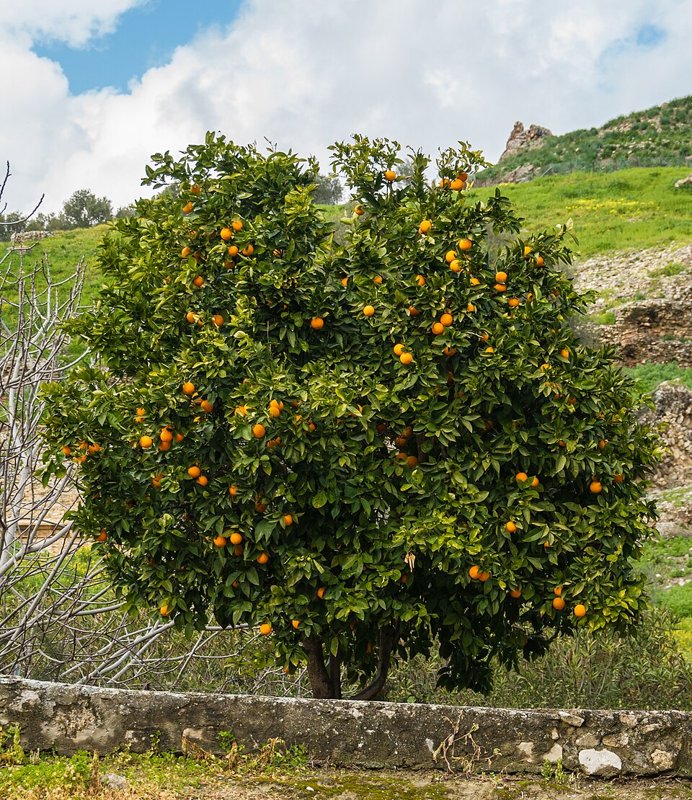
Tangerine
Citrus reticulata
Family: Rutaceae
- citrus
Pet & Human Safety
People: No hazard foundPets: Toxic to pets
Toxic to pets, extended from the genus (cautious): ASPCA has no page for Citrus reticulata itself, but its pages for orange, grapefruit, lemon, lime, bergamot orange and calamondin all list them as toxic to dogs, cats and horses (essential oils, psoralens). This is a whole-genus verdict, not a species page.
Poison control
If someone has collapsed, cannot be woken, is having a seizure or has trouble breathing, call 911 now. For any other possible poisoning, call Poison Help: 1-800-222-1222.
Emergency number source: U.S. federal law (47 U.S.C. § 251(e)(3)), read 2026-10-07.
Naturalist Lore
Historical Background & Breeding Lore
The history of this plant and its name, and how it was bred, where we have them.
Get the app: coming soonCare
- Hardiness zones
More cold-tolerant than sweet orange in the satsuma cultivar specifically: it can withstand temperatures as low as 18F in early February once fully dormant, but may be seriously damaged at 24F in early December, before dormancy sets in (Texas A&M AgriLife). UF/IFAS HS132 calls satsuma especially suitable for cold locations (north of Orlando) in Florida.
- Water needs
moderate
- Mature size
No tangerine/mandarin-specific mature-size figure found in sources used; general citrus guidance (UF/IFAS HS132) applies.
- Where it comes from
Cultivated origin in Asia (genus Citrus/Fortunella); not restated per-species here since no source gave a specific wild native-range claim beyond general citrus history.
How to prepare the soil, when and what to feed, and how and when to prune where that applies.
Get the app: coming soonAnatomy & Guilds
Botanical Anatomy & Characteristics
How the flowers and leaves are built and which pollinators visit, where we have them.
Get the app: coming soonField Doctor
Field Doctor
What can go wrong with this plant and what to do about it, where we have them.
Get the app: coming soonVintage Plates
Vintage Plates
Old botanical drawings from public libraries are in the app, for plants where we have them.
Get the app: coming soonSources
- UF/IFAS EDIS HS132, Dooryard Citrus Production
- Texas A&M AgriLife Extension, Citrus fact sheets
- USDA APHIS, Citrus Greening and Asian Citrus Psyllid
- USDA, "Citrus Trees: Move It and Lose It" (2014)
- UF/IFAS Gardening Solutions, Citrus Greening FAQ
- Florida Statute Sec. 581.1843
- UF/IFAS Gardening Solutions (Master Gardener plant ID) - Tangerine, Citrus reticulata Blanco
- UF/IFAS EDIS HS195/CH116 - The Satsuma Mandarin (Citrus unshiu, a related mandarin, NOT C. reticulata)
- NC State Extension Gardener Plant Toolbox - Citrus (genus page)
- Kew World Checklist of Vascular Plants (WCVP), names file dated 2026-06-04
- ASPCA Toxic and Non-toxic Plants: Orange (Citrus sinensis)
- ASPCA Toxic and Non-toxic Plants: Grapefruit (Citrus paradisii)